| Welcome, Guest |
You have to register before you can post on our site.
|
| Online Users |
There are currently 932 online users.
» 7 Member(s) | 921 Guest(s)
Applebot, Bing, Facebook, Google, psykiatertromsdalen, Romdastt
|
|
|
| Roll with the Punches: Conquering the Hypnotic World of Slope Game |
|
Posted by: Ulrissch - 11-04-2026, 02:27 AM - Forum: My Forum
- No Replies
|
 |
Ever found yourself yearning for a game that’s easy to pick up, yet incredibly difficult to master? A game that tests your reflexes, spatial awareness, and perhaps even your sanity, all within a mesmerizing 3D landscape? Look no further than Slope Game, the addictive endless runner that has captured the attention of casual and hardcore gamers alike. If you’re a fan of high-octane action and a relentless challenge, then prepare to be utterly captivated by the simple yet profound joy (and frustration!) of guiding a rolling ball down an ever-descending path.
Introduction: The Allure of the Rolling Ball
In the vast universe of online games, some titles stand out for their elegant simplicity and immediate appeal. Slope Game falls squarely into this category. There are no elaborate narratives, no complex skill trees, and no in-game purchases to distract you. Instead, you're presented with a glowing green ball and a perpetually falling, procedurally generated track of impossible angles, perilous gaps, and sudden shifts in elevation. The premise is straightforward: navigate your ball as far as possible without plummeting into the abyss. This seemingly simple objective, however, quickly reveals itself to be a demanding test of precision and quick thinking.
The game's 3D environment is minimalistic yet striking. Neon lines define the path, creating a sense of urgency and futuristic aesthetic. The ground beneath the ball is often depicted as a vast, dark void, amplifying the stakes with every near miss. The accompanying electronic soundtrack further enhances the immersive experience, providing a rhythmic pulse that perfectly complements the frantic pace of the gameplay. It's a sensory experience designed to keep you on the edge of your seat, your eyes glued to the screen, and your fingers poised for the next critical maneuver.
Gameplay: A Dance with Gravity
At its core, Slope Game is a masterclass in elegant controls. You primarily use the left and right arrow keys (or A and D) to steer your rolling sphere. This minimalist control scheme belies the depth of strategic thinking required. The ball is constantly gaining momentum, and the slopes themselves are unforgiving. A slight overcorrection can send you careening off the edge, while an undercorrection can lead to a sluggish descent and an equally swift demise.
The game introduces a variety of obstacles that keep the experience fresh and challenging. Narrow platforms demand pinpoint accuracy, requiring you to carefully thread the needle between two treacherous drops. Sudden inclines and declines alter the ball's speed and trajectory, forcing you to anticipate and adjust on the fly. As you progress, the game seamlessly increases the difficulty, introducing moving obstacles, rotating platforms, and increasingly complex layouts. What starts as a relatively gentle slope quickly transforms into a dizzying gauntlet of peril.
The thrill of Slope Game lies in this constant battle against gravity and the unpredictable nature of the generated tracks. Each run is a unique experience, ensuring that no two attempts are exactly alike. The satisfaction of successfully navigating a particularly tricky section is immense, only to be quickly replaced by the intense focus required for the next challenge. It’s a game that thrives on that "just one more try" mentality, as you relentlessly pursue a new personal best score.
Tips for Taming the Slopes
While the game is undeniably challenging, a few key strategies can significantly improve your chances of success and help you climb the leaderboards. - Focus on the Horizon, Not Just the Ball: It's tempting to fixate on your ball, but looking ahead is crucial. Anticipating upcoming obstacles allows you to plan your movements more effectively, rather than reacting purely instinctively.
- Small Corrections, Not Big Ones: Oversteering is the most common cause of failure. Instead of dramatic left or right presses, aim for small, precise adjustments. Think of it as nudging the ball rather than wrestling it.
- Embrace the Momentum: The ball's speed is both a blessing and a curse. Learn to use its momentum to your advantage, especially when navigating gaps. A well-timed boost from a decline can carry you across chasms you might otherwise miss.
- Practice Makes Perfect (and Patience is Key): There’s no magic bullet for Slope Game. Consistent play will hone your reflexes and improve your understanding of the game’s physics. Don't get discouraged by early failures; each attempt is a learning opportunity.
- Find Your Rhythm: The game has a distinct pace. Try to internalize that rhythm and let it guide your movements. Sometimes, a flowing, almost hypnotic approach is more effective than frantic button mashing.
Conclusion: The Enduring Appeal of Simple Thrills
Slope Game isn't just another online game; it's a testament to the enduring appeal of simple yet incredibly engaging mechanics. Its blend of minimalist visuals, challenging gameplay, and addictive loop makes it a perfect pick-up-and-play experience for anyone looking for a quick burst of adrenaline or a dedicated session of skill-honing. It’s a game that reminds us that sometimes, the greatest fun comes from the most straightforward challenges. So, if you're ready to test your reflexes and embark on an endless downhill adventure, give Slope Game a try – you might just find your new favorite time sink.
|

|
|
| Désiré Doué FC 27 Card: Stats & How to Get |
|
Posted by: xtameembb - 11-04-2026, 12:13 AM - Forum: My Forum
- No Replies
|
|
Introduction About Désiré Doué
Désiré Doué is a French professional footballer whose youthful energy and technical confidence have made him one of the more exciting wide attackers of his generation. Though capable of operating in several attacking roles, he is particularly valued as a right-wing player who can stretch defenses and create moments of individual quality.
From the right flank, Doué combines close control, acceleration, and direct running to trouble defenders in one-on-one situations. He is comfortable carrying the ball inside or going outside, and his awareness in the final third allows him to link with teammates, deliver crosses, and threaten the goal. His willingness to track back and support the full-back also makes him a useful two-way option on the right.
Having developed at Rennes before joining Paris Saint-Germain, Doué continues to build his reputation through composure beyond his years and a growing end product. As a right-wing player, he offers flair, mobility, and attacking purpose—qualities that make him a promising and effective contributor at club and international levels.
Désiré Doué's Star Performer card
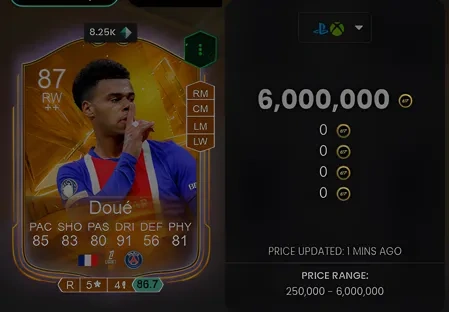
Désiré Doué’s 87-rated Star Performer card is an exciting Right Wing option built to make a difference in the final third. With 85 pace, 83 shooting, 80 passing, and exceptional 91 dribbling, Doué has the technical quality and burst of speed needed to glide past defenders and create danger from wide areas. His 81 physicality also helps him hold his ground in duels, while 56 defending gives him enough presence to contribute when the team is out of possession. As a sharp, agile winger, he can quickly stretch and dismantle opposing defenses, cut inside to unleash shots, or deliver decisive passes that create the opening needed to score and seal the match.

How to Obtain Désiré Doué's Player Card
There are several methods to obtain Désiré Doué's Star Performer card in FC 27: first, you can purchase card packs and try your luck, although the chances of getting the Star Performer card are relatively low and uncertain; second, you can complete SBC (Squad Building Challenges) tasks, which may reward you with the card; and third, you can directly purchase the card from the transfer market, where the current market price is around 6.00 million FC 27 Coins, making it quite expensive.
Fastest Ways to Earn FC 27 Coins

You can earn fut coins by selling unwanted player cards, completing weekly objectives, and playing different modes for reward packs, but these methods often depend on your skill, luck, and available playtime. Building enough fifa coins to afford a high-value Star Performer Désiré Doué card can take far longer than expected, especially when market prices rise.
For a quicker option, LootBar.com provides a convenient way to purchase fc 27 coins at competitive prices, including a 10% discount for newly registered users and frequent special offers. Coins are delivered quickly through a secure trading method designed to protect your account, so you can avoid the long grind and get the Désiré Doué player card you want without waiting.
What is the best Gaming Top-Up Platform?
As a trusted choice for gaming top-up, LootBar offers both top speed and affordability. The platform has earned a reputation as the best platform for gaming recharge, supported by outstanding customer feedback—4.9/5.0 on Trustpilot.
|
|
|
|
| Silksong Architect's Melody Guide: Climb Cogwork Core, Solve the Musical Puzzle |
|
Posted by: xtameembb - 11-03-2026, 05:14 PM - Forum: My Forum
- No Replies
|
|
In 2026, the road to Ascend Pharloom's Crown still runs through the Threefold Memory, and one of those memories is the Architect's Melody. Hornet cannot simply stroll into a concert hall, tap a music stand, and call it a day. No, the Architect's Melody lives at the top of Cogwork Core, past a vertical platforming gauntlet that mixes wall jumps, grappling hoops, pogo bounces, and the sort of cogwheel timing that makes a player question their reflexes. The reward is a melody, not a medal, but Silksong fans know the difference is mostly paperwork.
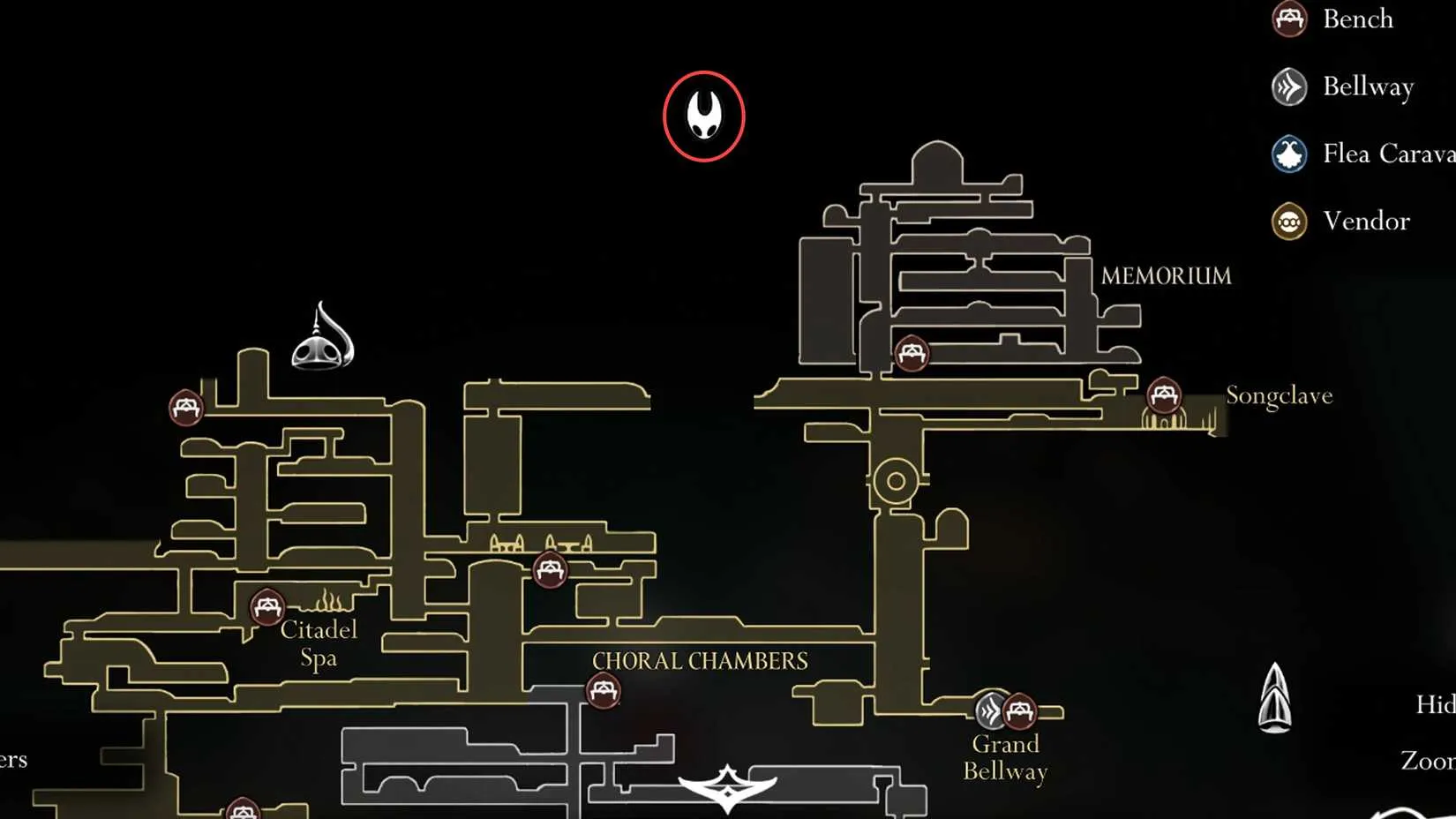
The quest begins in the central room of Choral Chambers, where players receive the task to collect three melodies. From there, the route drops down a hole into Cogwork Core. Hornet should head left once below, then keep descending. There is a bench along the way, and smart players will use it before starting the climb. Pride is a lovely accessory, but a rested Hornet is the real MVP.
The Cogwork Core Climb, Abridged
This section is less of a walk and more of a mechanical ballet with sharp edges. The broad plan is simple: go down until enemies appear, then reverse course and go up until the music room appears. The execution, naturally, is where the cogs bite.
Stage
What Hornet Does
Sanity Check
1
From the enemy platform, descend until a vertically moving cogwheel appears.
Do not hug the wheel; pogo off it.
2
Pogo the cogwheel to gain height, repeating until Hornet can hook the wall on the right.
Timing is everything, and the wheel has no mercy.
3
Wall jump from side to side until a resting ledge appears.
Rest. The ledge is not decoration.
4
Move up to the nearby ledge, ignore the room on the right for now, and jump to the left wall.
Curiosity is expensive here.
5
Ascend until a door appears, enter it, head left, and hang on the ring at the end to open the door above.
The ring is the doorbell.
6
Wall jump through the passage, then hook the hoop to move right until there is a place to rest.
If Hornet is falling, the hoop was probably not the problem.
7
Leap left and continue until another wall-jump spot appears, then ascend and harpoon the ring to go right.
The route enjoys switching directions like a caffeinated metronome.
8
When a cogwheel blocks the way, let go of the hoop, jump to the other side, and hook again to continue right.
Letting go on purpose feels wrong; do it anyway.
9
On the right side, stick to the walls and move up until another hoop leads left.
Leap off before hitting the cogwheel and land on the safe ledge.
10
Rest, leap to the platform above with enemies, then journey right and ascend using walls and rings.
The enemies are a hint that the route is still going up.
11
When another hoop appears, hook right, jump up to switch to the hoop above, and let it lead left.
Before the cogwheel obstacle, jump up and stick to the wall above.
12
Pogo the cogwheels again to reach enough height for the next ring.
This is the cogwheel rodeo's encore.
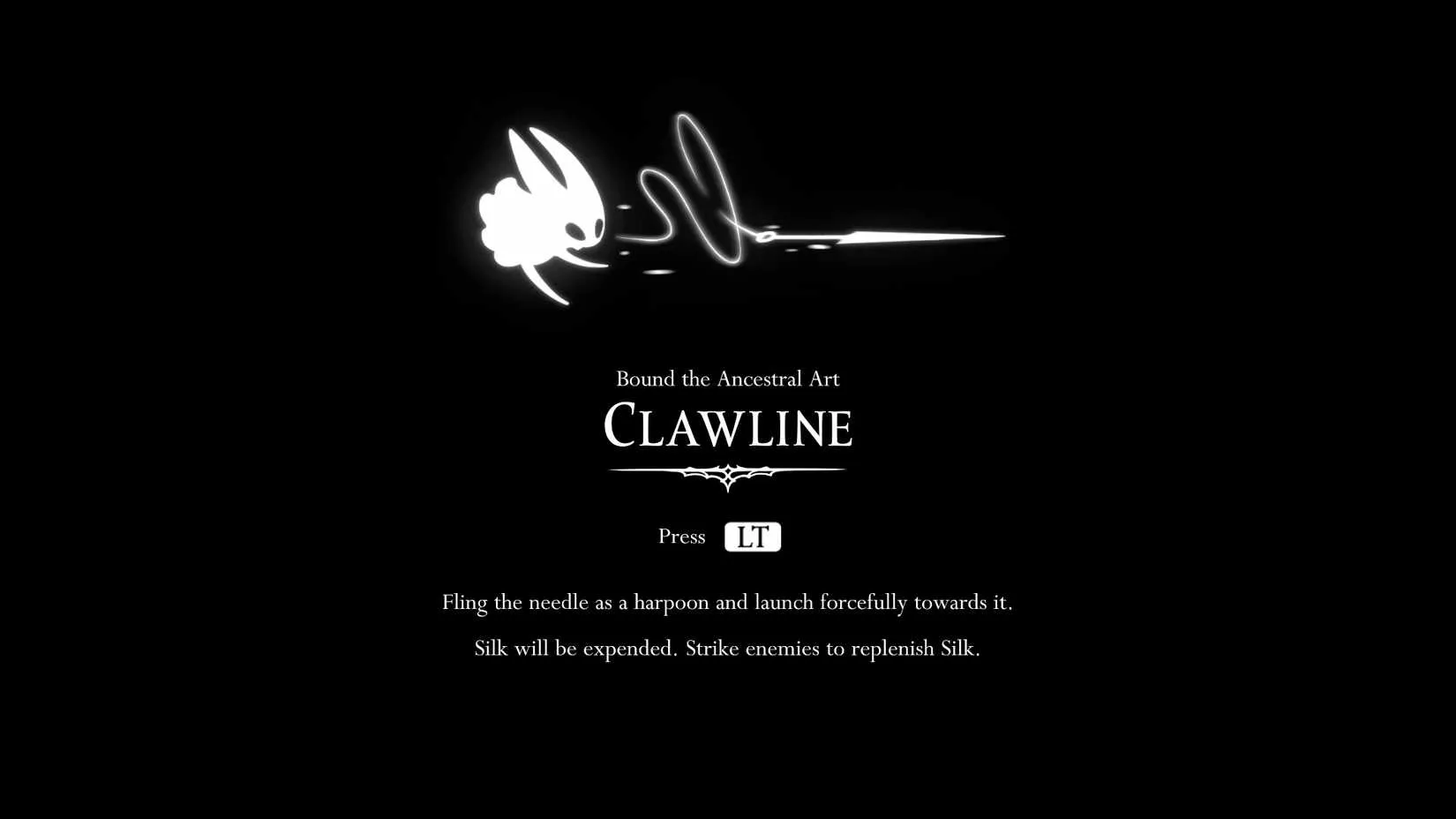
A grappling hook such as the Clawline makes this climb far less theatrical in the bad way. Without it, Hornet's journey becomes a series of creative falls and deeply personal conversations with gravity. Players should also keep an eye out for small rest spots; Silksong is not a game that hands out breathers like party favors. The room to the right near the early resting ledge can be ignored for now, because the melody is upward, not sideways.
Eventually, after enough wall-jump tango and hoop-hooking shenanigans, Hornet reaches a place where the only sensible direction is up. Keep heading up, and the Architect's Melody puzzle room appears. Cue the imaginary trumpets, but keep them quiet; this is a music room.
The Architect's Melody Puzzle
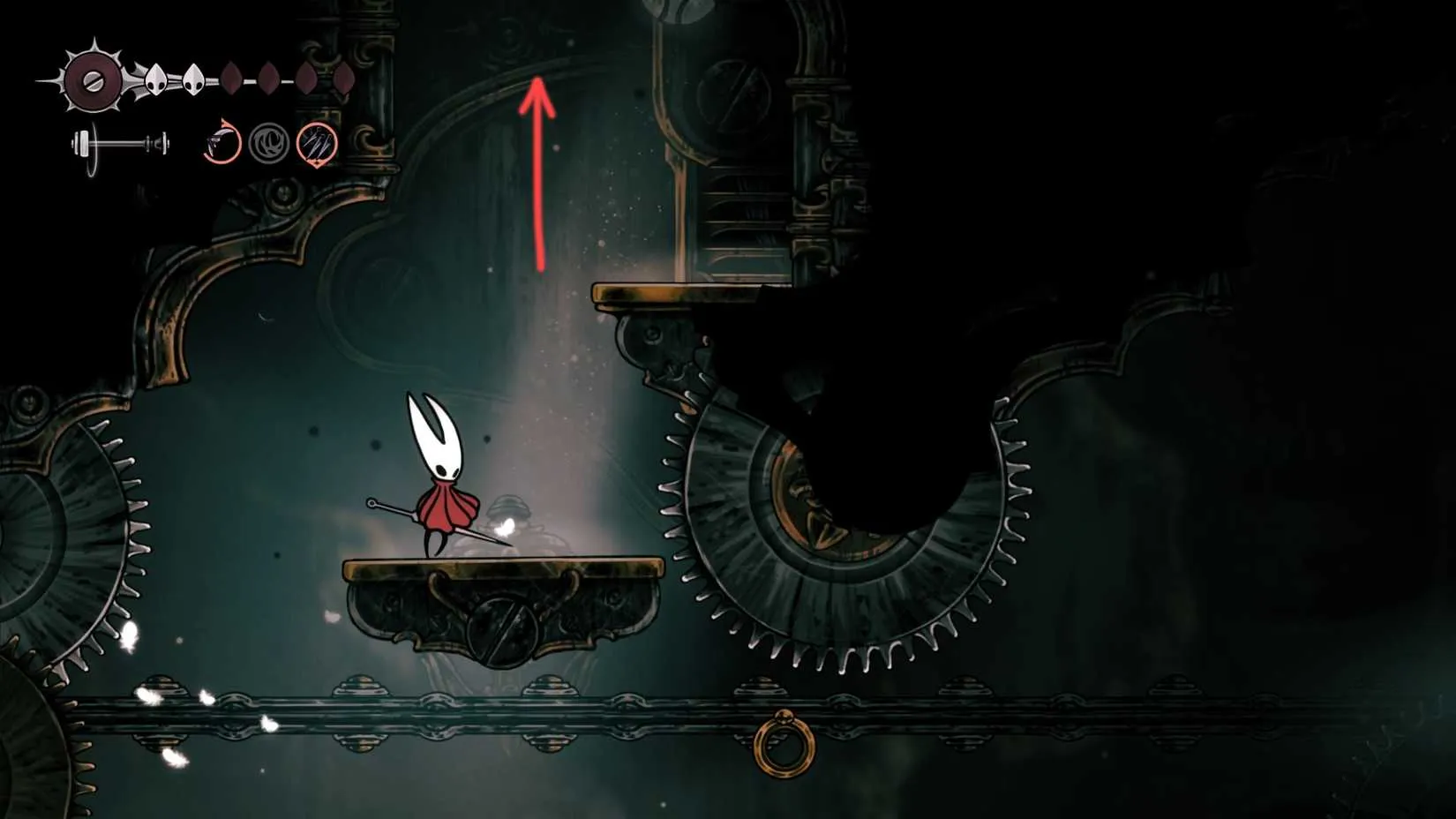
The puzzle itself is a four-tower affair. Each tower has four sections, and the goal is to align the notes in all four sections. That is the whole musical mission, though the phrase "align the notes" is doing a lot of heavy lifting. Players who expect a boss fight will be relieved; players who expect a quick fiddle will be humbled. The Architect's Melody is a patience test dressed as a music box.
A sensible approach is to treat each tower as part of one harmony rather than four unrelated riddles. The puzzle wants all four sections lined up, so fiddling with one tower while ignoring the others is a recipe for confused chirping and mild despair. The room does not punish experimentation with spikes, which is generous by Silksong standards, but it does reward careful observation. Players should step back, check the whole arrangement, and make small adjustments instead of panic-spinning every section like a raccoon with a combination lock.
Pro Tips for the Musically Inclined
Rest before the climb. The bench below is there for a reason, and that reason is not interior decoration.
Pogo with purpose. The vertical cogwheel is a launchpad, not an enemy to bully.
Let go of hoops. Some jumps require releasing the ring before a cogwheel introduces Hornet to the wall.
Ignore the side room early. The detour can wait; the melody cannot.
Watch the whole puzzle. Aligning one tower is not the win condition. All four sections must line up.
By the time Hornet learns the Architect's Melody, the player will have earned a new appreciation for cogs, rings, and the simple joy of not falling into the abyss. The climb is no cakewalk, but it is fair, memorable, and exactly the sort of mechanical madness that makes Silksong's 2026 questline so delightfully bonkers. Bring patience, bring the Clawline, and maybe bring a tiny imaginary metronome.
Once the melody clicks into place, it’s easy to appreciate how Silksong turns careful observation and mechanical patience into a satisfying challenge. That same appetite for thoughtful, skill-driven games often lingers after the credits roll, making it a good time to line up the next adventure or revisit a title you’ve been meaning to try.
For players keeping an eye on their backlog, DealNest is a handy place to browse discounts across a range of games without hopping between storefronts. Whether you’re hunting for a new challenge or filling gaps in your library, it’s worth checking DealNest for the best game deals before your next climb begins.
|
|
|
|
| Silksong Guide: Pinmaster's Oil Quest and Pale Oil Puzzle Walkthrough |
|
Posted by: xtameembb - 11-03-2026, 02:59 PM - Forum: My Forum
- No Replies
|
|
Hornet's Needle is more than a weapon in Hollow Knight: Silksong — it is her steadfast companion through the hostile halls of Pharloom, and players who want to keep its damage relevant will eventually need to chase down Pale Oil. As of 2026, the Pinmaster's Oil quest remains one of the clearest upgrade gates in the game, and it is no cakewalk for anyone who has not yet untangled Bellhart, Cogwork Core, and the Whispering Vaults. The good news is that the route is straightforward once the pieces click into place; the bad news is that the final crate puzzle has a habit of making even seasoned players jump through hoops.
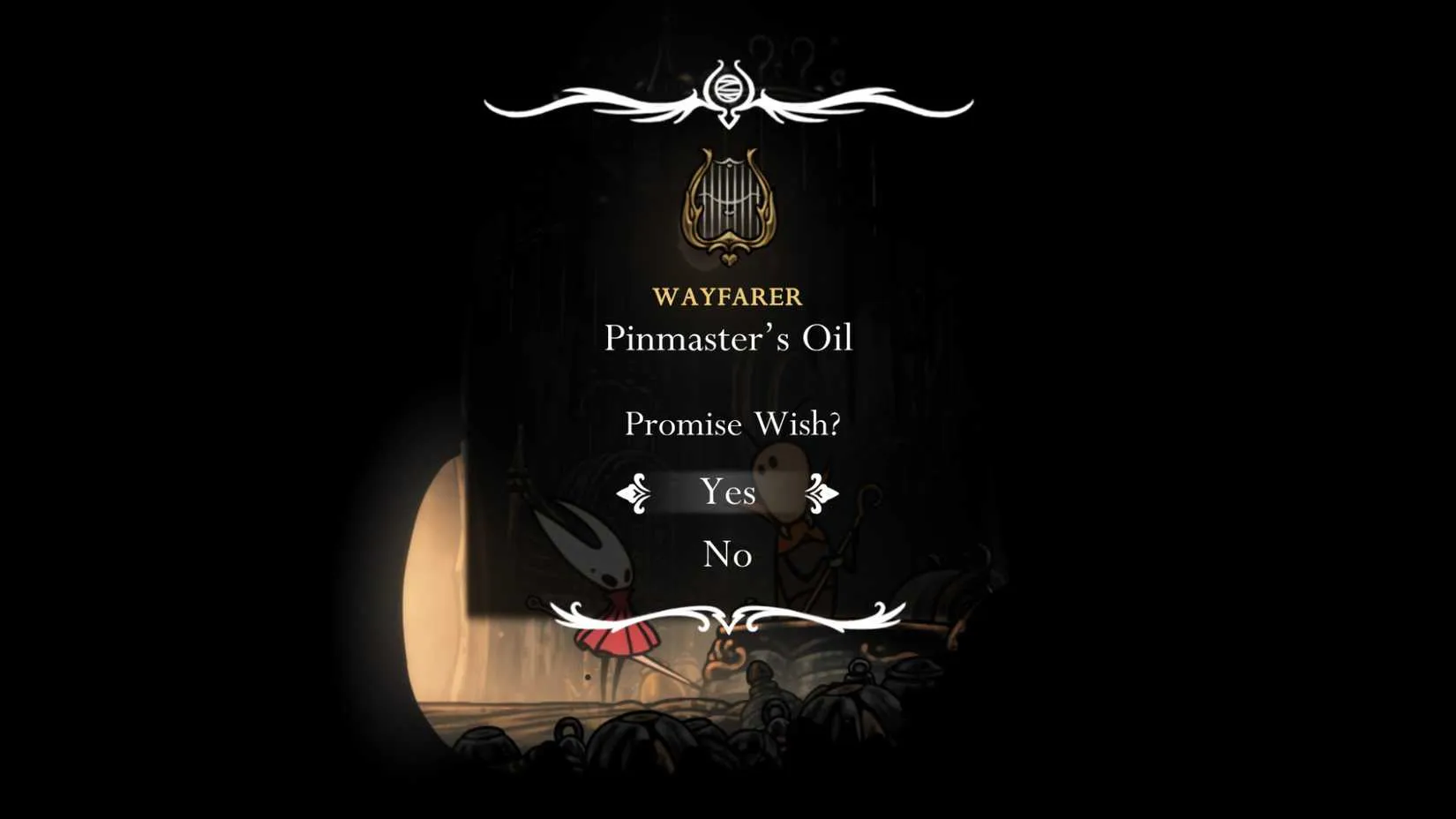
The quest does not open immediately. Players must first break the curse in Bellhart by defeating Widow, then return to the town and watch it come back to life. Once Bellhart is bustling again, the route to the Pinmaster opens up: climb the ladders to the upper part of the city and look for the Pinmaster inside one of the houses. Speaking with him allows Hornet to improve her Needle, but the first upgrade is only the appetizer. After a short conversation, the Pinmaster explains that further enhancement is possible — if Hornet can obtain Pale Oil.
Quest Prerequisites at a Glance
Step
Requirement
Why It Matters
1
Defeat Widow and break Bellhart's curse
Restores Bellhart and makes the Pinmaster available
2
Climb to upper Bellhart and speak with the Pinmaster
Starts the Pale Oil objective
3
Travel through Cogwork Core
Opens the route toward Whispering Vaults
4
Solve the Whispering Vaults crate puzzle
Opens the chamber that contains Pale Oil
Pale Oil is initially located in the Choral Chambers, but that area cannot be reached directly at this stage. The practical path runs through the Whispering Vaults, and the entrance to those vaults sits in Cogwork Core — the same place where players obtain The Architect's Melody. That detail matters because anyone who has already cleared that section has a head start; anyone who has not should expect a bit of legwork before the real puzzle begins.
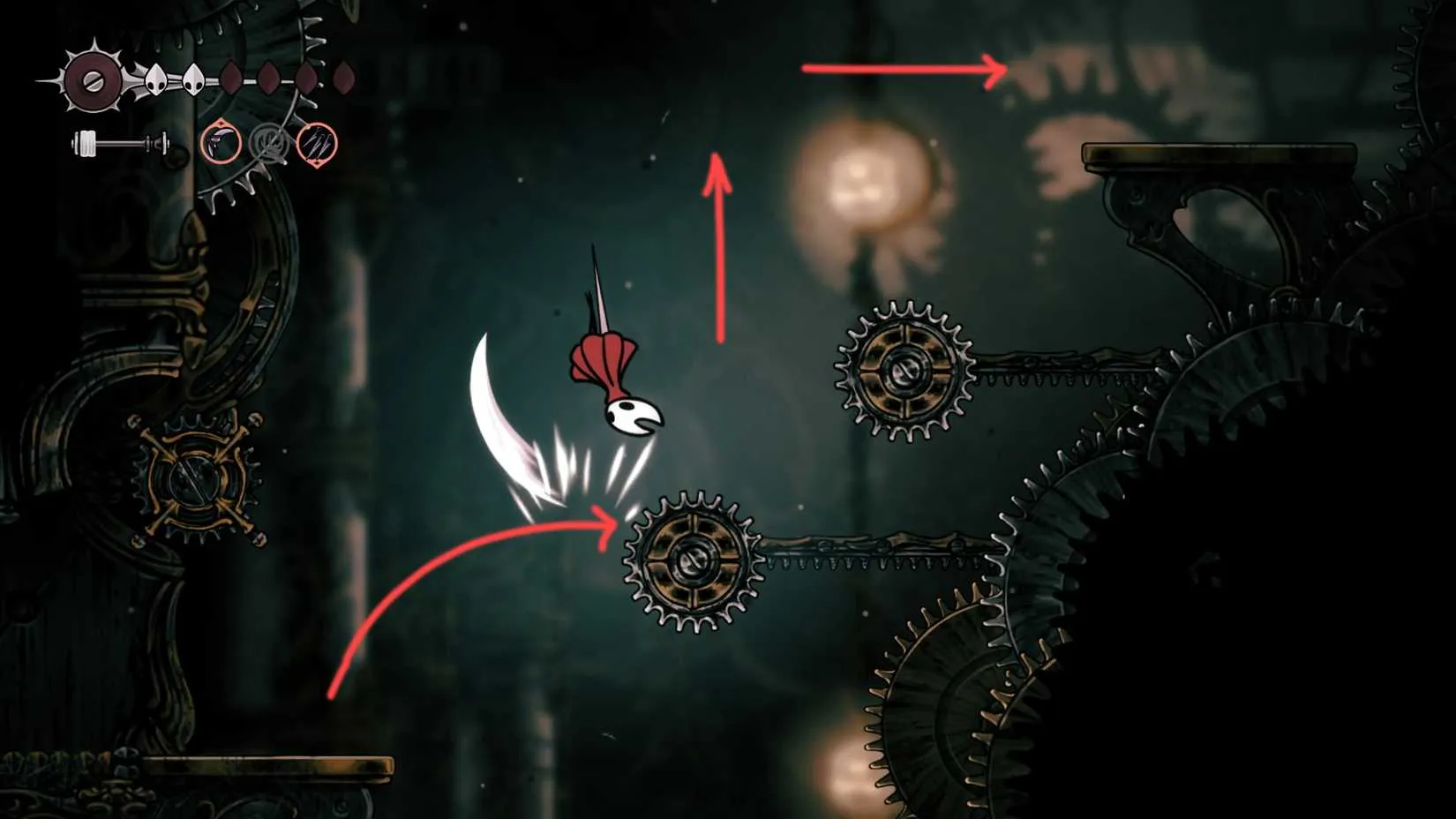
Inside Cogwork Core, players should follow the same steps they used while working toward The Architect's Melody until a route opens to the right. From there, they need to enter the hidden room and keep heading right until a lever comes into view. Hitting that lever changes the orientation of the rotating wheel bridge. Crossing the bridge leads directly to the Whispering Vaults, and from that point the quest becomes a matter of navigation and crate management rather than combat.
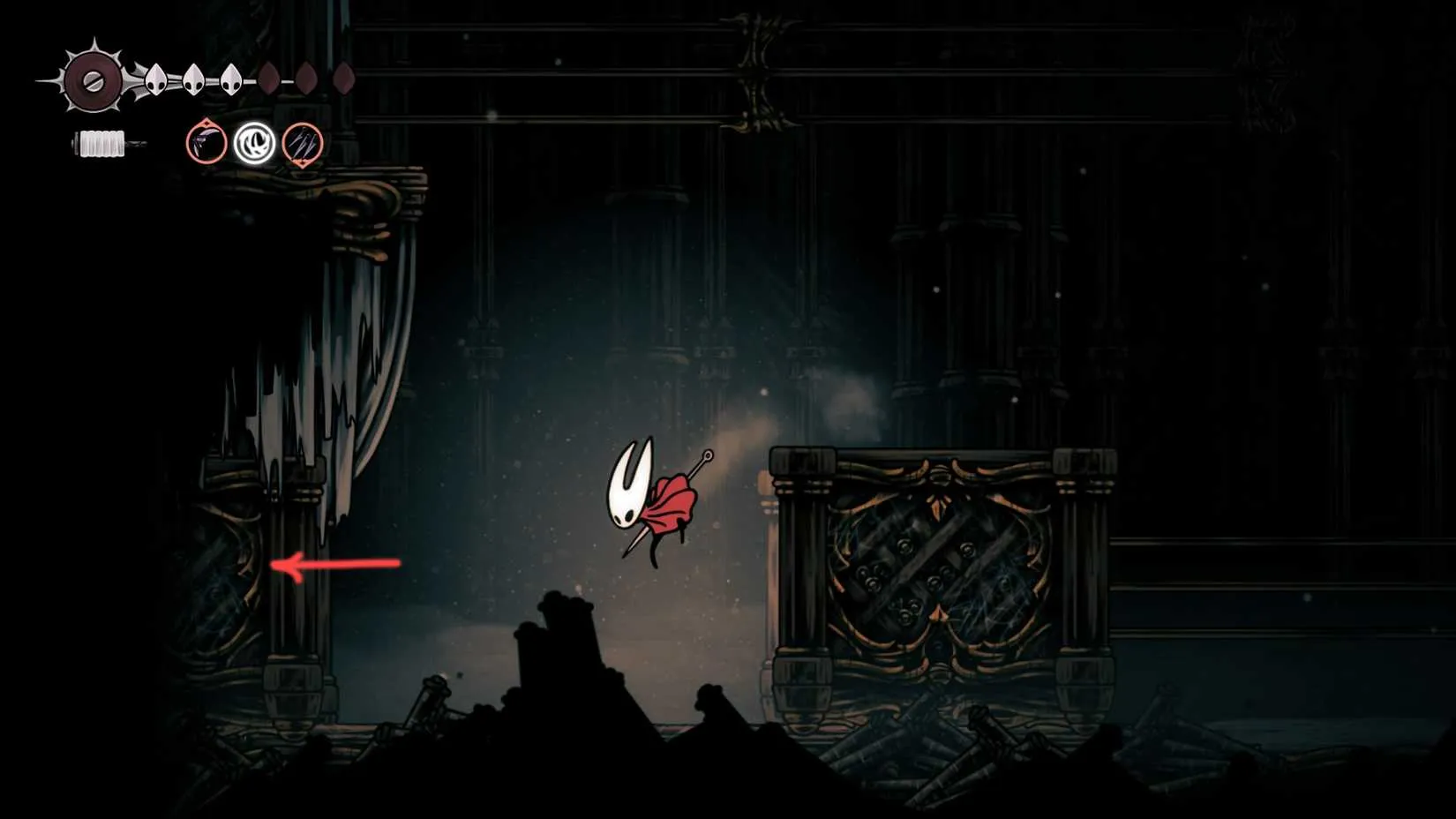
Once inside the Whispering Vaults, players should keep going right, then head south in the large vertical room. The next objective is the room on the west, which is packed with boxes. This is where the Whispering Vaults box puzzle begins, and it is the sort of challenge that rewards patience over brute force. The crates are not random scenery; each hit shifts the layout and opens or closes routes.
Solving the Whispering Vaults Crate Puzzle
The puzzle is best handled as a sequence. Players who rush it will likely knock a crate into the wrong position and have to reset their mental map. The clean route is as follows:
? Go to the end of the room and hit the box to make it slide left.
⬆️ Climb up and move the box above to the right.
⬇️ Head back to the ground and hit a crate there to the right.
? From the crate that just moved, use it to jump up while clinging to the sides.
? Hit the crate in the middle to send it upward.
?️ Moving the boxes opens the route to go up.
⬅️ Once above, run left and hit a box to the left.
? Follow that box, then hit downward on the box next to it to move a set of crates down.
⬇️ Descend down the open path, then hit another set of crates — this time to the left.
? Go under the same set of boxes, then hit it upward.
? A route to a secret room should now open. Hit the lever and enter the area to claim the Pale Oil.
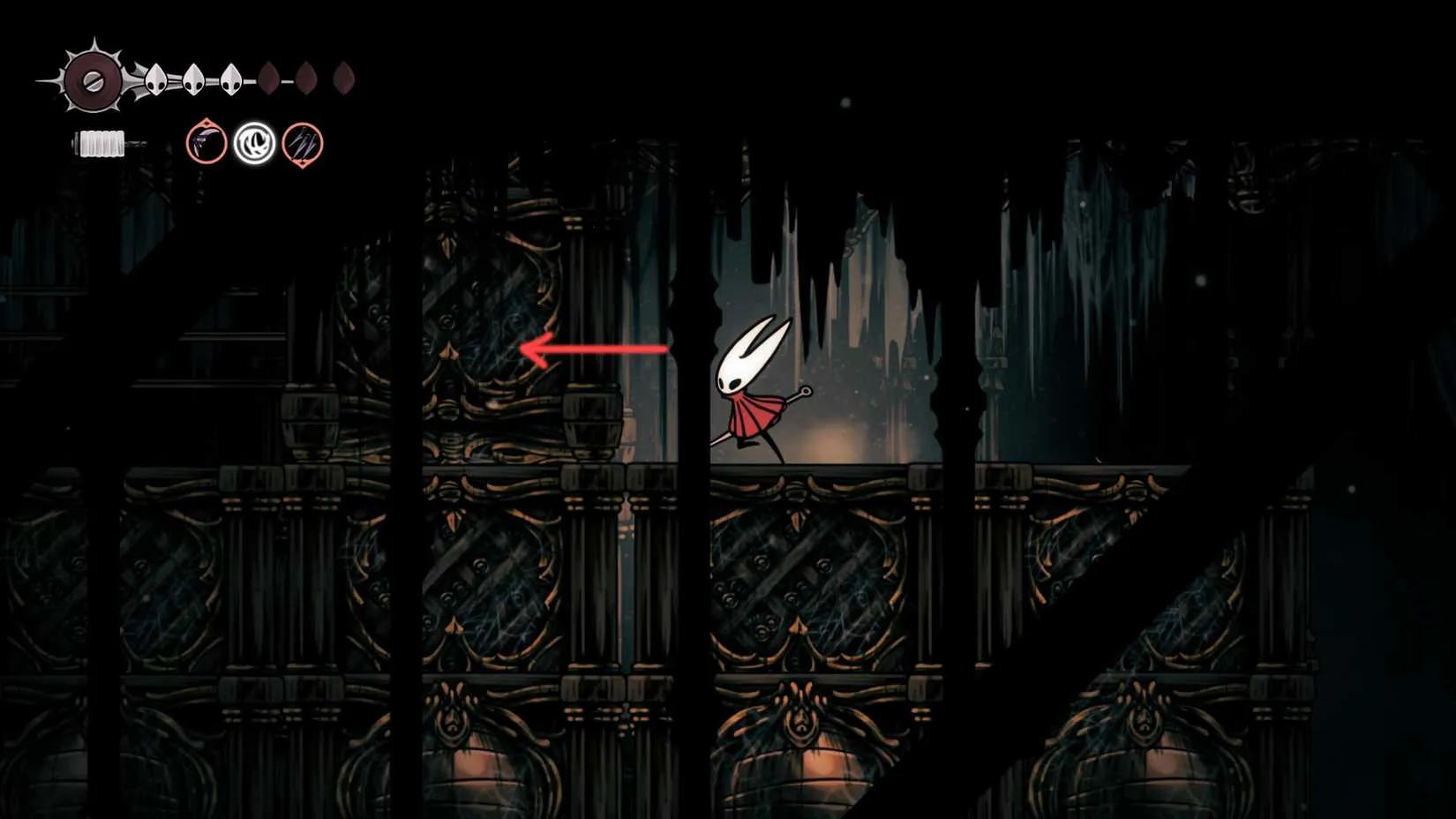
The sequence looks fussy on paper, but it is consistent. The key is to treat each crate hit as a deliberate move, not a random swing. Players who follow the order should find that the room eventually opens like a well-oiled lock. Once the lever is hit and the secret area is entered, the Pale Oil is theirs for the taking.
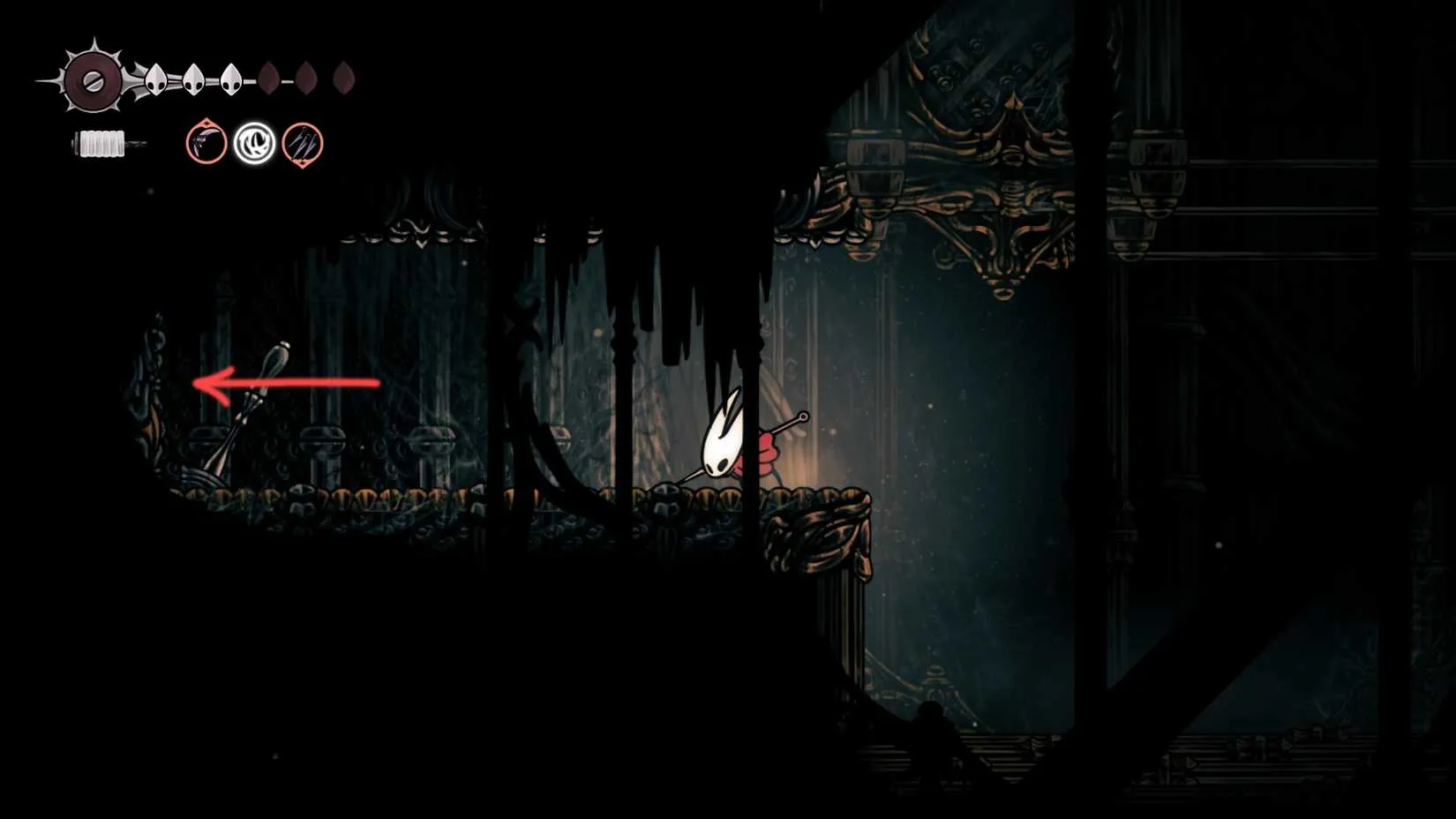
With Pale Oil in hand, the remaining work is simple: return to the Pinmaster in Bellhart and complete the upgrade. The quest is a classic Silksong grind in miniature — a bit of boss work, a bit of exploration, and a puzzle that asks players to use their head instead of simply mashing the attack button. It is not a walk in the park, but it is far from a nightmare once the route is known. For anyone hoping to keep Hornet's Needle sharp in 2026, Pinmaster's Oil is well worth the elbow grease.
For players who like to keep their library as sharp as their in-game tools, finding the right price on new releases can feel like its own puzzle. DealNest offers a straightforward game price tracker that helps you monitor discounts and compare storefronts, so you can spend less time hunting for deals and more time playing.
|
|
|
|
| Silksong’s Wormways: A Cheerfully Stubborn Guide to an Early Optional Detour |
|
Posted by: xtameembb - 11-03-2026, 02:36 PM - Forum: My Forum
- No Replies
|
|
I have a confession: I am physically incapable of ignoring an optional area in a Metroidvania. If a suspicious passage exists, I will poke it. If a locked door judges me from across the room, I will make it my entire personality until I find the key. So when Hollow Knight: Silksong dangles the Wormways in front of you very early on, my professional gamer brain says, “Why would anyone skip it?” My responsible adult brain says, “Because you have 12 Rosaries and no plan.” Naturally, I listened to the gamer brain. ?
Even in 2026, the Wormways remains a wonderfully grubby little early-game detour. It is optional, it is easy to miss, and it is absolutely worth poking around if you enjoy loot, new Tools, resources, and the smug satisfaction of opening a door that other players sprint past. The catch? You need a Simple Key, and the fastest way to get one is to buy it from the vendor in Bone Bottom for 500 Rosaries. Is 500 Rosaries a lot? Early on, yes—it is the kind of price that makes you stare at your inventory and wonder whether the vendor accepts emotional damage as payment. So you farm a little. You bonk some enemies. You pretend it is character-building. Then you buy the key and pick one of two routes.
Route One: The Marrow, Mosshome, and One Poison-Spitting Problem
This is the route I recommend if you want the shortest possible explanation and the longest possible moment of panic. Head to the Bellway Station in The Marrow and go left. Once you interact with the bench in Mosshome, keep heading left until you leave the area and reach the outside. From there, jump up and dash onto the hanging elevator, then dash to the far left corner. You will find a passage. Congratulations—you are now committed.
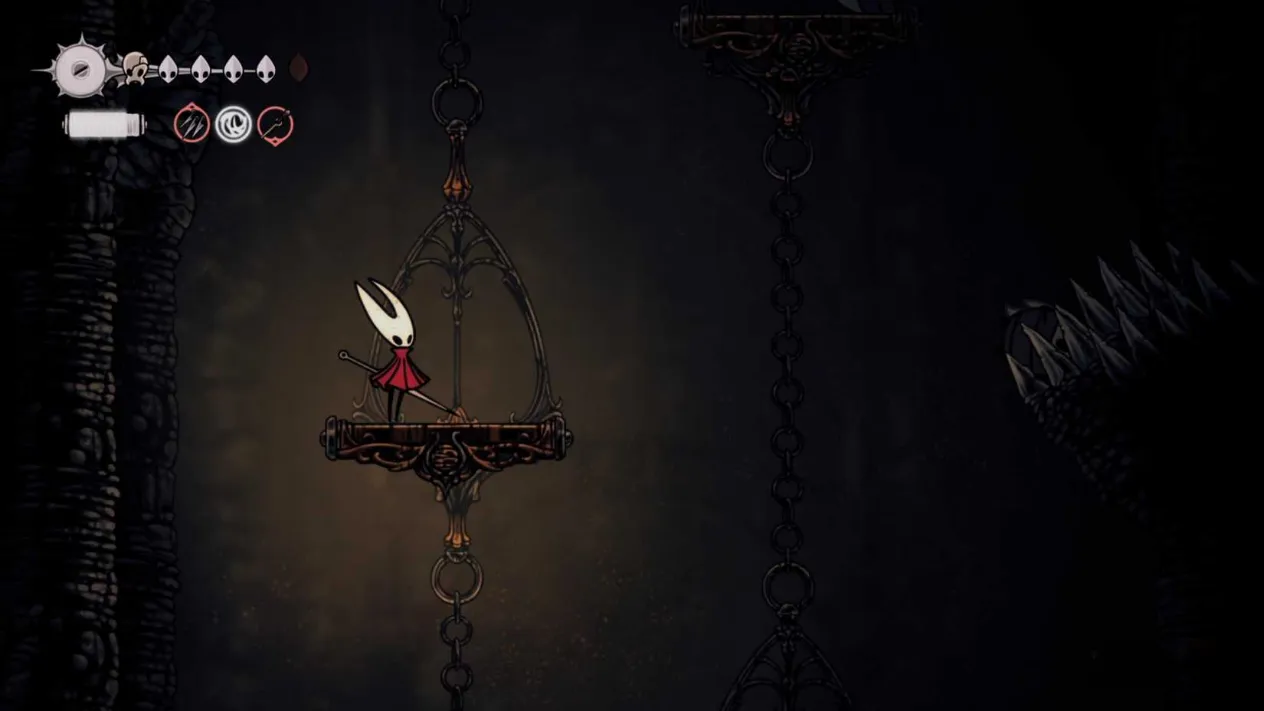
Head inside and immediately get beneath a platform. Why? Because there is an enemy above you that spits poison downward and deals two mask damage. It is not a boss. It is not a grand test of skill. It is just a rude little fountain with opinions. Sprint to the other side of the room, jump into the next room, and you will find the door where your Simple Key finally gets to feel important. Interact with it, use the key, and welcome to the Wormways.
Route Two: Shellwood, a Left Wall, and a Tool Worth Grabbing
If you prefer the scenic route—or if you simply enjoy falling dramatically while hugging a wall—take the Shellwood path. Go through Shellwood and keep heading left until you reach a point where you can drop down below to Bone Bottom. Float down while staying close to the left wall, and soon you will see a passage leading into the Wormways. Once inside, make your way forward and try not to get hit by the travelling bugs. They are not subtle, but they are persistent, like a mosquito with a personal grudge.
Keep heading further down and you will find the Dead Bug's Purse Tool, which allows the bearer to retain some Rosaries upon defeat. Is that not exactly the kind of insurance a reckless explorer wants? I think so. Keep following the main path, and once you reach the long vertical room, go all the way down to find a lever. Hit it, and it reveals the same door that requires the Simple Key to gain access. Yes, after all that, the door still wants the key. Of course it does. The Wormways is not a charity.

Route Cheat Sheet
Route
Starting Point
Vibe
Key Move
The Marrow route
Bellway Station in The Marrow
Quick, direct, mildly venomous
Go left through Mosshome, dash to the far-left passage, dodge the poison spitter
Shellwood route
Shellwood, heading left
Scenic, floaty, bug-infested
Drop toward Bone Bottom, hug the left wall, grab Dead Bug's Purse, pull the lever
My Very Serious Wormways Checklist
? Buy the Simple Key in Bone Bottom for 500 Rosaries.
? Farm enemies until your wallet stops crying.
? Choose The Marrow route for speed or Shellwood route for the Dead Bug's Purse.
☠️ Do not stand under the poison-spitting enemy like a tourist.
?️ Pull the lever in the long vertical room if you take the Shellwood side.
? Use the Simple Key on the door and explore the Wormways properly.
What could possibly go wrong? Well, you could forget the key, get spat on by a ceiling gremlin, or fall down the wrong hole. But that is basically the Silksong experience, and I would not have it any other way. The Wormways is optional, yes—but so is skipping dessert, and I have never once regretted dessert. ?",
"language": "en
Grinding Rosaries in Silksong has a way of making real-world spending feel strangely similar—every purchase starts to look like a trade-off. If you would rather spend your time exploring Pharloom than hunting down discounts on games, gear, or the odd desk accessory, DealNest is a handy place to find the best deal without turning bargain-hunting into another side quest.
Think of it as the sensible counterpart to a Simple Key: one quick stop that can unlock better value before you commit your Rosaries—er, currency. Whether you are restocking your setup for a long session or just keeping an eye out for a price drop, it is worth a look before you hit purchase.
|
|
|
|
| How Long Does It Take to Develop a Crypto Token? |
|
Posted by: markuszusak - 11-03-2026, 02:01 PM - Forum: My Forum
- No Replies
|
|
The time required to develop a crypto token depends on its complexity and required features. A basic token using an established blockchain standard may take a few days to a few weeks, including testing and deployment. More advanced tokens with staking, governance, vesting, or custom smart contracts may require several weeks or months. Security audits, integrations, and documentation can extend the timeline. A crypto token development company should provide a project schedule after reviewing the requirements. Proper planning and testing are important because rushing development may introduce technical issues that affect the token's reliability and user experience. Check: https://www.inoru.com/token-development
|
|
|
|
| Using Visual Evidence to Eliminate Price Resistance and Build Trust |
|
Posted by: roofingleadflow12 - 11-03-2026, 11:00 AM - Forum: My Forum
- No Replies
|
|
Trust is the single hardest element to establish when a homeowner is facing a major property repair. Unlike a kitchen renovation or a bathroom refit, the client cannot easily inspect the work being done on top of their house. They are forced to rely entirely on the word of the contractor regarding the extent of the damage and the quality of the finished installation. This inherent lack of visibility breeds suspicion and hesitation, making the sales process incredibly difficult, especially for high-ticket replacements. To bridge this gap and establish immediate, undeniable authority, modern contractors are completely changing how they present their estimates and document their progress. The transition away from written descriptions toward high-definition visual evidence is fundamentally altering the way contracts are won in competitive markets like Gloucester.
Homeowners are highly visual buyers who need to see a problem before they are willing to pay for the solution. When a contractor hands them a paper quote stating that the underlayment is failing and the battens are rotten, it is merely an abstract concept. The homeowner has no point of reference to understand the severity of the situation. However, when a contractor sits at the kitchen table and presents high-definition drone footage showing the exact areas of water ingress, the conversation shifts immediately. The damage is no longer an abstract claim; it is a visible, undeniable reality. A specialised roofing marketing company helps contractors integrate these visual assets into their digital presentation, ensuring that every proposal sent out includes compelling video evidence. This level of transparency instantly disarms the sceptical buyer. They can see exactly what they are paying for, which completely eliminates the fear of being overcharged for unnecessary work.
Video content extends far beyond the initial inspection and estimate phase. Documenting the progress of a major installation provides massive reassurance to the client and serves as incredibly powerful promotional material. Setting up a simple time-lapse camera to record a full replacement from the initial tear-down to the final cleanup creates a highly engaging story. When a prospective client watches a sixty-second video of your crew working systematically, maintaining a clean site, and executing complex details with precision, they are watching undeniable proof of your absolute competence. They see the sheer amount of physical labour and technical skill involved in the process, which completely justifies the premium price tag attached to your services. Text-based reviews are helpful, but a video demonstrating your exact process is incredibly persuasive.
Furthermore, these visual assets become the absolute cornerstone of your online presence. Social media platforms heavily favour video content, pushing it to far more local residents than a standard text post or a static image. A short, well-edited video showing a dramatic before-and-after transformation will naturally attract attention from homeowners living in the exact same weather conditions. This content can be targeted specifically to surrounding postcodes, creating a hyper-local awareness campaign. When residents consistently see high-quality drone footage of your team repairing homes in their own town, your brand becomes synonymous with professional, high-end service. They stop viewing you as a standard tradesman and start viewing you as a highly technical, modern construction firm capable of handling the most complex domestic projects.
The implementation of a visual-first strategy completely separates a business from the lower end of the market. Contractors competing entirely on low prices rarely invest the time or money required to document their work professionally. By providing comprehensive video inspections and progress updates, you elevate your service into a premium category. The homeowner feels involved in the project, they feel educated about the process, and they feel completely secure in their investment. This level of communication completely neutralises price objections. They are no longer comparing two identical quotes; they are comparing a blank piece of paper against a comprehensive, visually documented project plan. The choice becomes remarkably simple, allowing the modern contractor to secure higher margins and build an unshakeable local reputation. Ultimately, people buy what they can clearly understand. By removing the mystery surrounding high-level property repairs through clear, professional video documentation, you empower the homeowner to make a highly confident financial decision.
Conclusion
The lack of visibility in exterior property repairs naturally creates suspicion and hesitation for the buyer. Providing high-definition visual evidence of the damage and documenting the repair process removes all ambiguity from the sales conversation. This radical transparency builds absolute trust, completely neutralises price objections, and positions the business as a premium, modern authority.
Call to Action
Stop relying on written descriptions to sell complex physical repairs. Start providing undeniable visual proof to your prospective clients and watch your conversion rates and profit margins increase immediately.
Visit: https://roofingleadflow.co/
|
|
|
|
| UI UX Design Course |
|
Posted by: vishnuvish9095 - 11-03-2026, 09:51 AM - Forum: My Forum
- No Replies
|
|
Good UI/UX design makes digital platforms easier to understand and interact with. It combines creativity with user research to develop layouts, improve accessibility, and create smooth navigation. Designers use tools such as wireframes, prototypes, and visual elements to plan better user experiences. FITA Academy provides opportunities to explore design principles and understand how thoughtful interface decisions can improve the way people use websites and applications.
|
|
|
|
| Building a Rewarding MyTEAM Card Collection in NBA 2K27 | U4GM Guide |
|
Posted by: ZeonLau - 11-03-2026, 08:51 AM - Forum: My Forum
- No Replies
|
|
Building a strong MyTEAM roster is not simply a matter of finding the highest-rated cards and adding them to the lineup. The Auction House introduces another layer of strategy, where timing, player demand, card attributes, and collection priorities can influence how quickly a team develops. Some cards become popular because of their scoring animations, while others attract attention because they provide defensive versatility or fit particularly well into competitive lineups. Understanding these differences helps players make more informed decisions when managing 2K27 MT. The most successful collectors are often those who know when to pursue a particular player, when to wait for better opportunities, and when an existing card already provides everything their lineup needs.
The unified Auction House in NBA 2K27 makes card trading an especially interesting part of MyTEAM. With the shared marketplace covering PlayStation 5, Xbox Series X|S, and Nintendo Switch 2, supported players have access to a broader trading environment. This creates more opportunities to compare available cards and examine how community demand changes over time. However, a larger marketplace does not automatically mean every desirable player will be easy to obtain at a favorable price. Popular releases can attract significant attention, and the value of individual cards may change as new rewards enter the game.
One of the most useful habits is learning to compare cards by their actual basketball attributes rather than relying entirely on overall ratings. A shooting guard with an impressive overall number might look like an obvious upgrade, but a closer inspection could reveal weaknesses in perimeter defense, ball handling, or physical attributes. Another player with a slightly lower rating might offer better animations, stronger defensive versatility, and a more suitable combination of badges. These differences become important when facing experienced opponents who know how to target weaknesses in a lineup.
Shooting animations deserve particular attention. Two cards with similar three-point ratings can produce noticeably different results because their releases, timing windows, and movement animations are not identical. Players should consider whether they can consistently time a particular jump shot before spending heavily on a card. A player who looks excellent in a statistics comparison may become less effective if the release feels uncomfortable during actual games. Testing a card whenever possible can prevent unnecessary changes to a lineup.
Position flexibility is another valuable factor. A forward who can defend multiple positions provides options when an opponent changes its offensive approach. Against a team with several strong perimeter scorers, a versatile defender can help cover different assignments without forcing a complete lineup adjustment. Similarly, a big man who can contribute beyond the paint may create additional spacing for guards who prefer attacking the basket. These qualities can make certain cards more useful over an entire season than their individual scoring statistics initially suggest.
Collection management also requires a degree of patience. MyTEAM frequently introduces new cards and seasonal rewards, which means today's popular player may eventually face competition from another release. Buying every highly anticipated card as soon as it becomes available can make it difficult to maintain a balanced collection. Instead, players should establish priorities based on their current roster. If the starting lineup already has a reliable point guard, upgrading the weakest defensive position may produce a much larger improvement than adding another offensive creator.
The new Player XP system provides another reason to think carefully before replacing cards. Eligible Player Cards can progress through gameplay, giving collectors more opportunities to develop players they already own. This makes the relationship between card collection and lineup performance more interesting. A card that initially serves as a temporary option may become a dependable rotation player after receiving enough attention. Rather than immediately abandoning every older card, players can examine its potential role and determine whether continued development makes sense.
The Exchange system adds another consideration to collection management. Eligible Player Cards, excluding Free Agent cards, can be used in exchanges for rewards. This creates a decision between keeping a card for future gameplay and using it to pursue another collection objective. Before making an exchange, players should consider whether the card has a useful position, whether it fits a particular game mode, and whether its attributes provide something that the current lineup lacks. A player who seems unnecessary in a five-player lineup might become valuable in a smaller multiplayer format.
Season 2 offers several interesting examples of how new rewards can influence these decisions. Diamond Jason Kidd arrives at the beginning of the seasonal progression, while Pixel Cut Karl-Anthony Towns provides a major Level 40 target. Their different playing styles encourage collectors to consider what their teams actually need. Kidd can appeal to players who want a traditional playmaking guard, while Towns offers another frontcourt option with offensive possibilities. The Premier Exchange also features Pixel Cut Kareem Abdul-Jabbar, giving collectors another significant reward to consider when planning their collection.
These releases can influence the wider marketplace because new rewards often change which positions players want to strengthen. A new center may encourage some collectors to reconsider their existing frontcourt cards, while a popular guard can affect demand for other players at the same position. However, market movements should not be treated as guaranteed opportunities. The number of available listings, community interest, and the arrival of additional content all contribute to changing conditions. Checking the marketplace regularly is more sensible than assuming a particular card will always maintain the same value.
Rotating multiplayer modes provide a useful way to evaluate whether a purchase has actually improved a roster. Triple Threat Online places considerable importance on individual versatility because every player has to contribute across a smaller lineup. Clutch Time Online creates different demands, where quick decisions and efficient scoring become particularly important. A card that performs well in a traditional five-player matchup may not be the best choice for these shorter formats. Collectors should therefore think beyond their starting lineup and consider how each potential addition will perform in different situations.
There is also a practical advantage to keeping a clear collection plan. Players can identify their weakest positions, establish which attributes matter most, and avoid spending resources on upgrades that offer very little improvement. If perimeter defense is the main problem, adding another offensive specialist is unlikely to solve it. If the team struggles to create reliable shooting opportunities, a better playmaker or a dependable shooter may be more valuable than another interior scorer. This approach makes every roster decision easier to evaluate.
The Auction House ultimately rewards collectors who understand the relationship between player quality, timing, and team requirements. A successful MyTEAM collection does not need to contain every popular release. It needs enough complementary players to handle different opponents, support multiple offensive approaches, and remain competitive as seasonal content develops. Keeping track of new releases and comparing available cards can make the process more efficient, while players considering NBA 2K MT for sale can also factor their roster priorities into their resource planning. The real objective is to build a team that performs well when the game starts, not simply one that looks impressive on the collection screen.
|
|
|
|
| Resource Management for Every Build in Aion 2 | U4GM Guide |
|
Posted by: ZeonLau - 11-03-2026, 08:43 AM - Forum: My Forum
- No Replies
|
|
Character development in Aion 2 is a gradual process shaped by combat experience, equipment choices, skill improvements, and resource management. Aion 2 Kinah supports many of these activities, but the amount a player owns is only one part of a successful progression strategy. Knowing when to invest, which activities deserve attention, and how to avoid unnecessary upgrades can make a much greater difference over time. Players who approach character growth with a clear direction are more likely to develop balanced builds and remain prepared as new challenges become available.
One common problem during progression is trying to improve every part of a character at the same time. A player might spend resources on several equipment slots, experiment with different skill setups, and begin multiple crafting projects without finishing any of them. Although each decision may seem reasonable on its own, the combined expenses can slow down the entire process. A better approach is to identify the most important weakness and work on it before moving to another improvement. This creates a visible sense of progress and makes resource requirements easier to manage.
Equipment should be evaluated according to the role a character performs in combat. Damage-focused classes need a setup that supports consistent attacks, while defensive characters should prioritize the ability to withstand dangerous encounters and protect their parties. A higher item level can be useful, but it does not automatically mean that every replacement is worthwhile. Players should consider the attributes provided by an item, how those attributes interact with existing skills, and whether the equipment will remain useful during the next stage of progression. These details help prevent unnecessary spending on upgrades that offer little practical improvement.
Skill development deserves the same attention. A character with strong equipment can still perform poorly if its abilities are used without considering cooldowns, positioning, or encounter mechanics. Players should become familiar with their most important attacks and understand when defensive or utility abilities should be saved. Practicing a consistent rotation against ordinary enemies can help build familiarity, while dungeon encounters provide opportunities to test whether the rotation remains effective when movement and boss mechanics interrupt the normal sequence. Better combat habits can improve performance without requiring another expensive equipment change.
Daily activities also influence how quickly a character develops. Rather than repeating every available task, players should choose activities that match their current needs. A character missing important crafting materials may benefit from gathering, while someone preparing for difficult group content may need dungeon rewards and more combat practice. Combining nearby objectives can also reduce unnecessary travel. A quest route that includes useful enemies or resource locations may provide more value than completing each objective through a separate trip.
Gathering becomes more productive when players know exactly what they need. Collecting every available material can fill the inventory without moving a specific equipment project forward. It is better to identify the next crafting requirement, locate suitable resource areas, and collect enough materials to support that goal. This also makes it easier to decide when gathering should end and another activity should begin. An organized inventory helps players recognize valuable resources and prevents important materials from being lost among items with little immediate use.
Crafting and enhancement should be treated as connected but distinct parts of equipment progression. Crafting provides another way to obtain useful gear, while enhancement improves equipment that already fits the character's development plan. Before investing in either system, players should consider the full cost and expected value of the result. If an item is likely to be replaced soon, spending heavily on it may not be the best decision. Checking available transfer and amplification options can also help preserve the value of previous investments.
Group content introduces another dimension to character growth. A player who wants to participate in more difficult dungeons needs more than a suitable equipment rating. Party coordination, defensive timing, and familiarity with boss mechanics can determine whether a group completes an encounter efficiently. Players should learn how their abilities support other party members and avoid treating every fight as an opportunity to maximize personal damage. Knowing when to interrupt an attack sequence, move away from danger, or use a defensive ability can be just as important as improving offensive statistics.
Progression also becomes easier when players review their results after each major activity. If a dungeon run exposes a weakness in survivability, the next improvement should address that problem rather than automatically increasing damage. If a character performs well during the entire encounter but struggles to meet a boss timer, then offensive improvements or a more efficient rotation may be appropriate. Small adjustments based on actual combat results are more reliable than making changes simply because a new item or upgrade becomes available.
Players comparing cheap Aion 2 Kina should also consider the security and rules surrounding any external transaction rather than judging an offer by its advertised price alone. Unauthorized currency services may create account and payment risks, so checking the game's policies is essential. A clear progression target, careful equipment choices, and consistent daily activities provide a stronger foundation for character growth. When resources are used to solve real weaknesses instead of being scattered across unnecessary upgrades, every stage of development becomes easier to manage.
|
|
|
|
|


