| Welcome, Guest |
You have to register before you can post on our site.
|
| Forum Statistics |
» Members: 164,138
» Latest member: pvcdrain0
» Forum threads: 3,596
» Forum posts: 5,198
Full Statistics
|
| Online Users |
There are currently 394 online users.
» 6 Member(s) | 385 Guest(s)
Applebot, Bing, Google
|
|
|
| Choosing the Best Bra for Everyday Comfort and Personal Style |
|
Posted by: speechhub - 10-21-2026, 07:34 PM - Forum: My Forum
- No Replies
|
 |
A well-chosen bra can make everyday dressing feel more comfortable while complementing a woman's personal style. With so many designs, fabrics, and fits available, selecting the right option involves more than simply choosing an attractive color or pattern. Comfort, support, sizing, and the type of clothing worn regularly all play an important role in finding suitable lingerie.
For women who prefer shopping from home, an online bra collection provides an easy way to explore different options and compare product details. Understanding the available styles can help shoppers identify designs that match their preferences and everyday requirements without making the process complicated.
Different Bra Styles for Different Preferences
Bras are designed in several styles to accommodate different outfits and personal preferences. T-shirt bras are a popular everyday option because their smooth construction works well beneath fitted tops and dresses. Their simple appearance makes them suitable for women who prefer versatile lingerie that can be worn regularly.
Padded bras provide additional shaping, while non-padded designs offer an alternative for those who prefer a different level of coverage. Wireless bras may appeal to women who value flexibility, and underwire bras offer a more structured design when properly fitted. Bralettes, meanwhile, combine a range of silhouettes with decorative details and varied fabric choices.
Having more than one style available can make dressing for different occasions easier. A practical everyday design may suit regular activities, while a strapless option can work with specific necklines. Choosing according to your wardrobe and comfort preferences helps ensure each piece has a useful purpose.
Finding a Suitable Size
Correct sizing is essential when selecting lingerie. A well-fitting band should remain level around the body, and the cups should provide comfortable coverage without excessive pressure or empty spaces. Straps should sit securely without digging into the shoulders.
Taking measurements before shopping can help you identify an appropriate starting size. However, sizing may vary between manufacturers, so checking the product-specific size chart is important. Different cuts and cup shapes can also influence how a bra fits, even when the labeled size is the same.
Comfort should remain the priority throughout the selection process. A design that feels suitable while standing should also allow comfortable movement during everyday activities. Paying attention to these details can help you choose lingerie that works well with your routine.
Choosing Fabrics That Feel Good
Fabric is another important consideration when purchasing bras. Cotton blends are often appreciated for their softness, while microfiber is valued for its smooth texture beneath fitted clothing. Stretch materials can offer flexibility, and lace adds decorative detail for those who prefer more elaborate designs.
The right material depends on individual preferences, the climate, and the intended use. During warmer months, lightweight and breathable fabrics may feel appealing for daily wear. Other designs may be preferred for particular outfits or occasions.
Reading product descriptions carefully can help you understand the materials used in each garment. It is also useful to check care instructions, as different fabrics may require different washing methods to maintain their quality.
Tips for Shopping for Bras Online
Shopping online gives women the opportunity to explore multiple designs without visiting different stores. Product photographs, detailed descriptions, size guides, and category filters can make it easier to compare options and find styles that suit personal needs.
Before placing an order, review the available sizes, fabric composition, fastening, strap design, and coverage. These details can help you determine whether a particular bra is appropriate for your wardrobe and preferences.
It is equally important to check delivery information and return or exchange policies. For intimate apparel, some shoppers may also appreciate information about discreet packaging and customer privacy. Reviewing these details before purchasing helps create a smoother shopping experience.
Building a Useful Everyday Lingerie Wardrobe
A versatile collection can begin with a few carefully selected bras. A smooth design may work well beneath everyday tops, while a strapless style can complement off-shoulder outfits. A wireless option may be useful for relaxed activities if it provides the support you prefer.
Color choices can make a difference, too. Neutral shades may be less noticeable beneath light-colored clothing, while darker colors can coordinate with a range of outfits. Colorful designs and decorative patterns offer additional variety for women who enjoy expressing their personal taste through lingerie.
Instead of focusing on quantity, consider which styles you will actually use. Selecting items that suit your regular activities and clothing choices can make your wardrobe more practical and easier to organize.
Combining Style With Practicality
Personal style is an important part of choosing lingerie. Some women prefer simple designs that remain discreet beneath clothing, while others enjoy lace, decorative straps, or distinctive colors. Both approaches can work well when the garment provides an appropriate fit and feels comfortable.
The same principle applies to building a complete wardrobe. Everyday essentials, casual clothing, and nightwear can all reflect individual preferences while serving practical purposes. Choosing pieces that complement your lifestyle makes it easier to create a wardrobe that feels cohesive without sacrificing comfort.
Rather than following every new trend, focus on designs that match your needs and preferences. This approach can help you make thoughtful purchasing decisions and enjoy the items you choose for longer.
Maintaining the Quality of Your Bras
Proper care can help preserve the appearance and function of lingerie. Begin by checking the manufacturer's care instructions, especially for garments made with delicate lace, molded cups, or elastic materials. Gentle washing may be recommended for some styles, while others may require specific care.
Air-drying can help protect elastic components from excessive heat. When storing bras with molded cups, avoid crushing or folding the cups in ways that may distort their shape. Keeping lingerie organized also makes it easier to identify different styles and maintain a tidy wardrobe.
Over time, check for stretched bands, loose straps, damaged fastenings, or changes in fit. Replacing garments when they no longer feel comfortable can help keep your everyday collection functional.
Conclusion
Finding a suitable bra involves balancing fit, fabric, support, appearance, and personal preference. Exploring different styles and understanding their features can help women choose lingerie that complements their clothing and fits comfortably into everyday life.
Online shopping makes it easier to compare designs, review sizing information, and explore available options from home. By considering product details carefully and maintaining garments properly, women can build a versatile lingerie wardrobe that combines comfort, practicality, and personal style.
|

|
|
| I Fixed Silksong’s Stubborn Sinner’s Road Bench in 2026 — Here’s the Route |
|
Posted by: xtameembb - 10-21-2026, 02:35 PM - Forum: My Forum
- No Replies
|
|
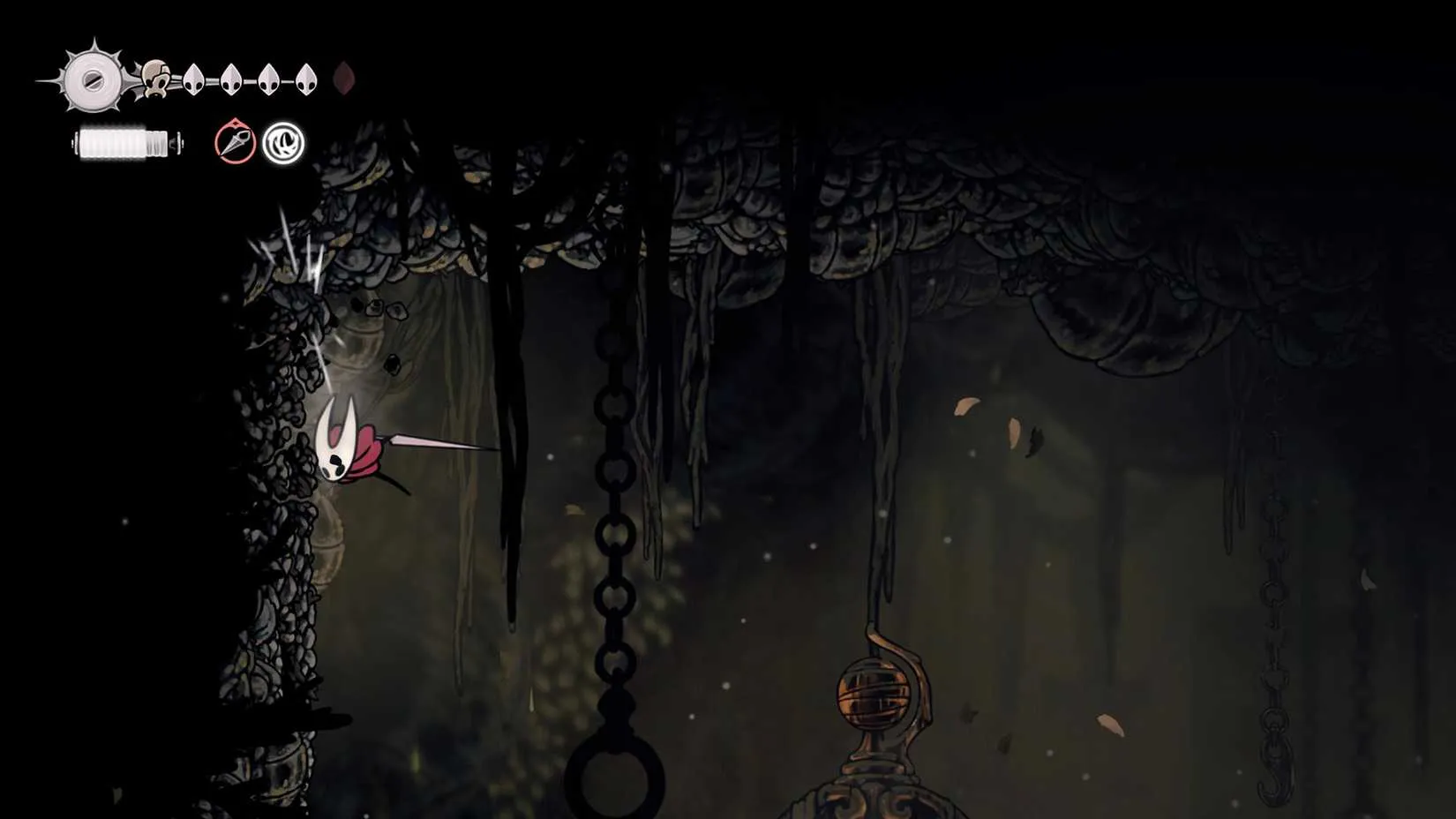
SINNER’S ROAD — I’ve been re-running Silksong’s grimmer side routes in 2026, and the bench in Sinner’s Road remains one of the game’s most delightfully petty obstacles. It takes Rosaries, it pretends to work, and then it just... stops. As a player, I respect the hustle. As Hornet, I want my rest. So I went back in, paid the fee, and mapped the repair route again for anyone who has hit the same stubborn machine.
Where the bench hides
Sinner’s Road isn’t the largest biome in Silksong, but it is one I want to leave as soon as possible. It is optional, yet it opens useful routes, including access toward Exhaust Organ and an alternate path up to The Citadel if I don’t feel like meeting the guardian head-on. That makes the bench more than a convenience. It is a checkpoint in a place where roach dogs chew at my ankles and boxer-looking beetles are always ready to throw down.
The bench itself is not far from the entrance. I get through the sleeping roach dogs, enter the next room, and look halfway up the steady rise. A pathway on the left leads to the rest. It is one of the easier benches to reach, but it comes with a little work before it actually works.
The machine has opinions
I’m not too proud to admit I paid first and asked questions later. As soon as the Rosaries go in, the bench begins to rise from the ground and then gets stuck. Honestly? Same, buddy. Shakra even comments that the machine is groaning in pain at its own existence and is likely jammed. The bench doesn’t so much greet me as groan at me, cough up a few inches, and then sulk.
That is annoying, because Sinner’s Road sits beside The Mist and Bilewater, and I do not want to be stranded there without a working rest. The solution is close, though. At the very top left of the room is a breakable wall. I hop up and slash it three times to reveal a secret room that is quite the hazard.
What follows is best described as a room that has opinions about my health bar. There are two sets of spiked flooring and swinging circular spiked contraptions that I can pogo onto and over. The next section is trickier: it forces me to slide down and hop between walls while avoiding the swinging death contraptions. At the very bottom are two spools of silk I can use for health or movement. I usually need both.
After that comes a much longer stretch of spiked flooring and swinging pogo devices. The kicker at the end is a poisonous, maggot-filled pool at the bottom. If I dip even a toe into it, Hornet’s silk is heavily limited, and I can’t heal until I get rid of the effect by sitting on a bench or using Binding. Across the small pond of maggots, I find branches obstructing the gears of the bench. I whack away at them, break the mess loose, and the bench finally rises. That’s the whole trick.
My step-by-step route
Step
What I do
Why it matters
1
Pay Rosaries at the Sinner’s Road bench
It starts to rise, then jams
2
Climb to the top-left wall
The breakable wall is easy to miss
3
Slash the wall three times
Opens the secret hazard room
4
Pogo the spiked swings
Avoid the spiked flooring below
5
Slide and wall-hop through the next section
Watch for swinging traps
6
Grab the two silk spools
Useful for health or movement
7
Cross the maggot water carefully
It limits silk and blocks healing
8
Break the branches in the gears
The bench finally rises
9
Take the left upward shortcut
Return to the bench faster
What I bring and what I skip
I would not call this a boss room, but it is a patience check. I bring enough silk to recover if I make a mistake, and I do not rush the poison pool. The pogo swings are readable, but the wall-hop section punishes panic. I’ll leave the exact pogo rhythm to your muscle memory. The important part is that the branches, not the bench, are the real target. Once they are gone, the machine stops groaning and starts behaving.
Why it matters in 2026
With more players revisiting Silksong’s side routes this year, the Sinner’s Road bench is still worth fixing. It is not the flashiest secret, and it will not make Hornet stronger by itself. It simply gives me a place to breathe between The Mist, Bilewater, and the climb toward The Citadel. I filed this route under annoying but essential. The bench earns its rest, and after that hazard room, so do I.
If you take the same patient approach to your gaming setup as you do to a tricky Silksong route, waiting for the right moment can pay off just as much as reacting quickly. Whether you’re eyeing a new controller, a faster SSD, or just a spare cable for longer sessions, this price tracking tool from DealNest can help you watch for a better deal instead of buying on impulse.
DealNest is built for that kind of low-pressure checking: set your sights on the gear you actually need, then let the price history do the work while you get back to the game. It’s a small quality-of-life upgrade—much like finally getting that bench to stop groaning.
|
|
|
|
| Get Started with Fly Scripts: Features, Setup, and Key Considerations |
|
Posted by: sambillings - 10-21-2026, 11:33 AM - Forum: My Forum
- No Replies
|
|
Online gaming continues to evolve as players explore different ways to customize their experiences, understand game mechanics, and learn about scripting tools. Among the topics discussed in gaming communities, fly scripts have attracted attention because they are associated with movement mechanics, experimentation, and alternative gameplay experiences. Before exploring any scripting tool, it is important to understand how it works, what it offers, and which precautions should be considered.
Understanding Fly Scripts
A fly script is generally a piece of code designed to change or simulate movement behavior within a supported game or development environment. Depending on the platform, such scripts may be used to experiment with character movement, study scripting concepts, or create custom experiences in environments where developers permit these features.
The term can refer to different implementations, so players should avoid assuming that every script offers the same functions. Compatibility, permissions, and available features depend on the specific game and the environment in which the code is intended to run.
For beginners, understanding these differences is an important first step. Rather than immediately installing unfamiliar software, take time to learn about the platform, its scripting rules, and the potential consequences of using third-party modifications.
Why Players Explore Fly Scripts
Players explore scripting tools for several reasons. Some are curious about how movement mechanics work, while others want to understand the relationship between code and in-game behavior. Scripting can also introduce beginners to programming concepts such as variables, conditions, functions, and event handling.
However, there is an important distinction between creating permitted features in a development environment and modifying a live multiplayer game without authorization. The first can be a useful learning experience, while the second may violate platform rules or affect other players.
Anyone interested in scripting should prioritize legitimate experimentation and environments where custom code is explicitly supported.
How to Get Started
Getting started with a scripting topic does not need to be complicated. A careful approach can help beginners understand the available tools without exposing their devices or accounts to unnecessary risks.
1. Understand the Target Platform
Begin by identifying the game or development environment for which the script is intended. Different platforms support different programming languages, execution methods, and customization options.
Read the platform's official documentation and community guidelines before proceeding. This helps clarify whether third-party scripts are allowed and whether a built-in editor or development tool is available.
2. Learn About the Tool
Before using an unfamiliar scripting utility, research its developer, supported platforms, release information, and reputation. Look for clear documentation explaining its purpose and limitations.
Be cautious of pages that promise unlimited functionality without explaining how the software works. Reliable technical resources should provide enough information for users to evaluate compatibility and safety.
3. Check Compatibility
Compatibility is an important consideration when exploring any third-party tool. Operating systems, game versions, software updates, and security settings can affect whether a program functions as expected.
Never assume that a tool advertised for one version will automatically work with another. Check the available documentation and avoid disabling important security protections simply to make unfamiliar software run.
4. Review the Code When Possible
If a script's source code is available, reviewing it can provide useful information about its behavior. Beginners may not understand every line immediately, but examining comments, function names, and documentation can help them develop a basic understanding.
When code is difficult to interpret, research its programming concepts before running it. Avoid executing scripts that contain unexplained commands or request unnecessary access to personal information.
5. Test in an Appropriate Environment
Whenever possible, experiment in a development environment, private test project, or game mode that explicitly permits custom scripting. This allows you to learn without disrupting other players or risking your primary account.
Make small changes and observe the results. Testing gradually is generally more informative than running a large script without understanding its individual components.
Important Safety Considerations
Security should remain a priority when downloading or testing third-party gaming software. Unverified downloads may contain unwanted programs, malicious code, or components that collect information without clear permission.
Download software only from sources you can reasonably verify. Review the permissions it requests, keep your operating system protected, and scan unfamiliar files using reputable security software.
Never share account passwords, authentication codes, or private account information with a scripting tool or an unknown website. A tool that requests unrelated personal information should be treated with caution.
It is also worth remembering that antivirus warnings should not automatically be ignored. Some security tools may flag unfamiliar utilities because of their behavior, but that does not prove a file is safe. Investigate the specific detection and avoid running files when their origin or purpose remains uncertain.
Understanding Platform Rules
Not every game allows third-party scripts. Some environments encourage community-created modifications, while others prohibit unauthorized changes to gameplay.
Using an unsupported script in an online game may result in warnings, temporary suspensions, or permanent account restrictions. It can also create an unfair experience for other players.
Before experimenting, review the game's terms of service and rules regarding automation, exploits, and third-party software. When the rules are unclear, contact the platform's support team or use an officially supported development environment.
Following these guidelines helps protect your account and ensures that your interest in scripting remains focused on learning and responsible experimentation.
Common Problems Beginners May Encounter
People exploring scripting tools may encounter compatibility errors, unexpected behavior, missing documentation, or software that stops working after an update.
The first step in troubleshooting is to identify the environment in which the problem occurs. Check the relevant documentation, confirm that the software version is supported, and read any error messages carefully.
Avoid downloading multiple unofficial replacements simply because the first tool fails. Doing so can introduce additional security risks and make the original problem harder to identify.
If a script behaves unexpectedly, stop running it and review its source or documentation before continuing. In a development environment, isolate the relevant section of code and test it separately when appropriate.
Learning Scripting Beyond Gaming
Fly scripts can also provide an opportunity to explore broader programming concepts. Beginners who become interested in scripting may benefit from studying Lua or another language used by their chosen development platform.
Start with basic concepts such as data types, variables, functions, loops, and conditional statements. Then progress to small projects that demonstrate how code responds to user actions or changes in an environment.
Official tutorials and structured programming lessons are useful starting points because they explain not only how to write code but also why particular techniques work.
Building a simple project from scratch can offer a better understanding of programming than copying code without examining its behavior. It also encourages problem-solving skills that can be applied to many other technical interests.
Final Thoughts
Exploring fly scripts can introduce players to game customization, movement mechanics, and the fundamentals of programming. However, the experience depends on choosing an appropriate environment, understanding the intended purpose of a tool, and recognizing the difference between permitted customization and unauthorized gameplay modification.
Before using any third-party utility, research its compatibility, review its source when available, and consider the security and account-related risks. Keep experimentation within environments that allow custom scripts and avoid tools that demand unnecessary permissions.
The best way to get started is to approach the subject with curiosity, patience, and a willingness to learn. Understanding the technology behind a script is more valuable than simply running it, and responsible experimentation helps make the learning process safer and more productive.
|
|
|
|
| Hollow Knight: Silksong: Eight Patch Ideas to Smooth Its Sharp Edges |
|
Posted by: xtameembb - 10-21-2026, 11:28 AM - Forum: My Forum
- No Replies
|
|
By 2026, Hollow Knight: Silksong is no longer the new kid on the block, but it remains one of the most talked-about Metroidvanias on the market. Team Cherry's sequel built up enormous expectations over six years, and it has delivered the goods on every platform. Steam's built-in analytics told a loud story around launch, with roughly half a million players diving in at once, and the game is still a regular talking point months later. It is an objectively strong game, perhaps even sharper than the original Hollow Knight in places, but the community debate about difficulty and polish has not gone away. Some systems simply do not work as smoothly as they should, and a handful of patches could turn a great game into an even more welcoming one. The following ideas are not wild demands; they are practical quality-of-life fixes that would let Team Cherry cut players some slack without sanding off the game's identity.
Copyable Save Files and Manual Saves
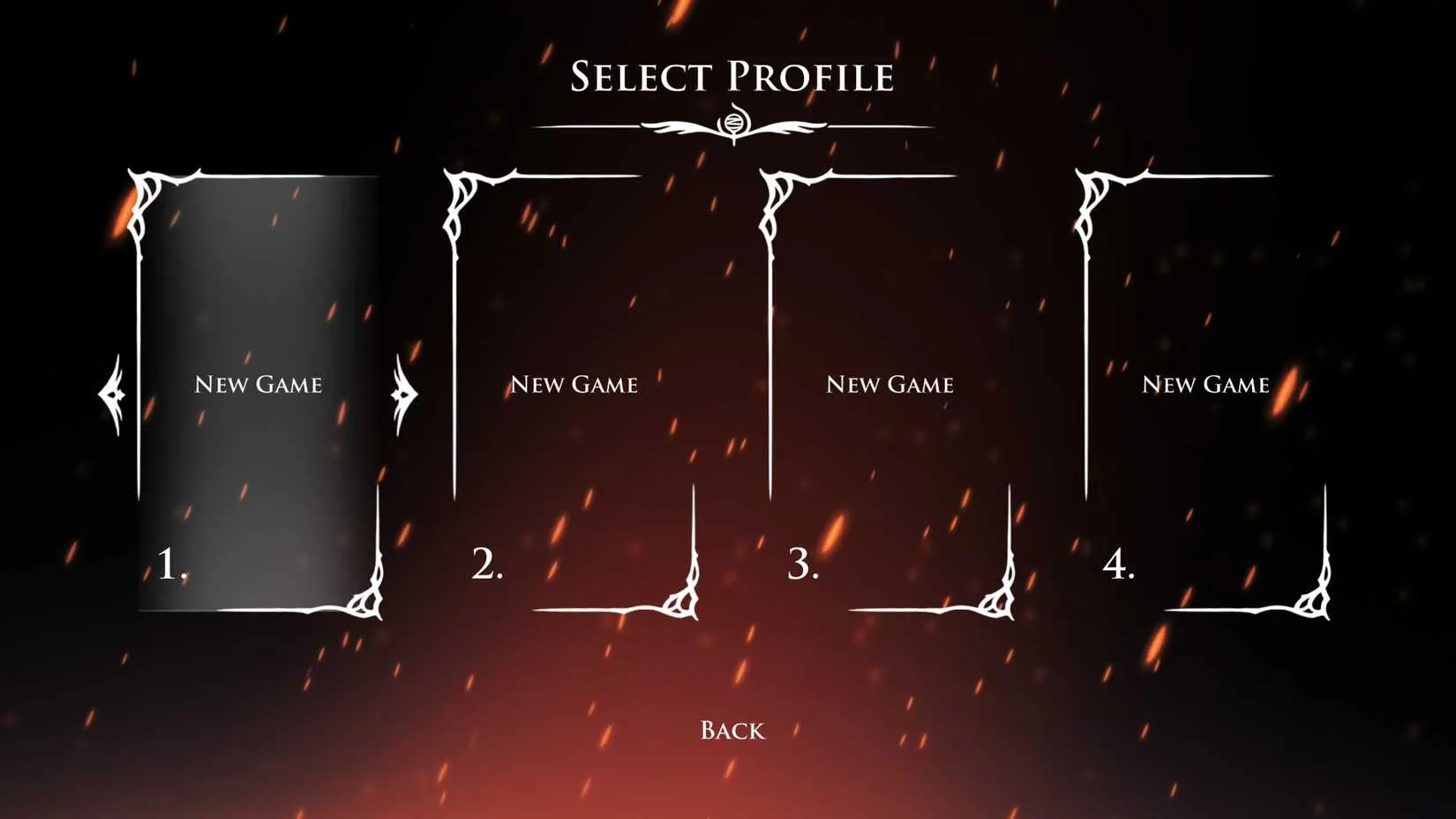
Players get four save slots to use as they please, but there is no way to copy those files. That is a small omission with a big impact. The ability to duplicate a save gives players insurance against glitches, bad luck, or a run that has painted itself into a corner. Manual saves would help even more, and most players would welcome that fix with open arms. Encountering a game-breaking bug is never fun, especially when the only options are to restart from scratch or wait for a patch that may never arrive. A little flexibility here would go a long way.
A Cleaner Currency Cap
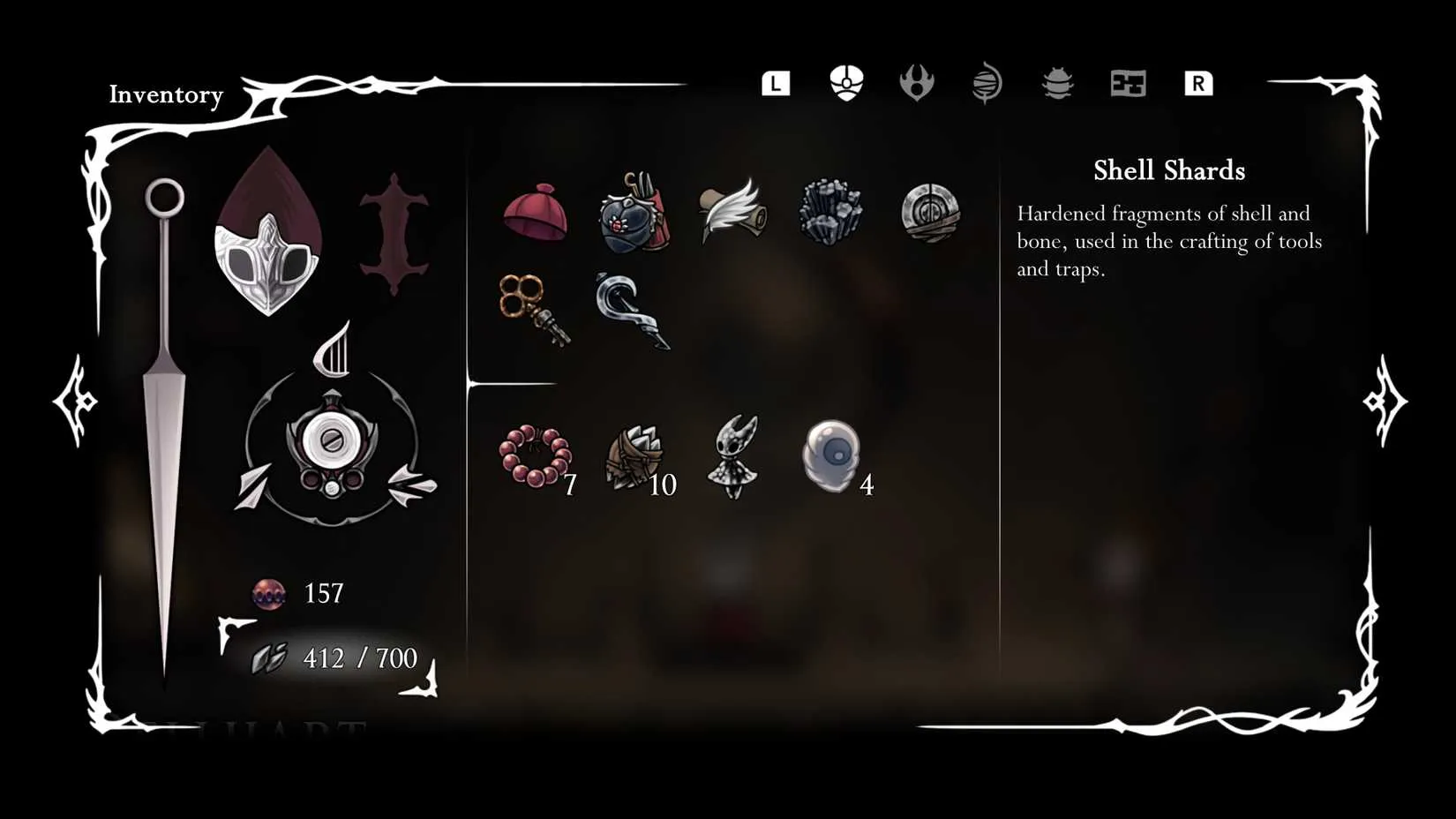
Rosaries are the main currency in Hollow Knight: Silksong, and players can carry as many as they like. Shell Shards are a different beast. They function more like ammo refills, and players start with a cap of 400, though there are ways to increase that capacity. The artificial limit feels odd when Rosaries flow without restriction. If Team Cherry allowed players to carry an infinite amount of both currencies, the system would feel more consistent. It is not a game-breaking issue, but it is the kind of rough edge that grinds against a player's patience over time.
Enemy Damage That Breathes
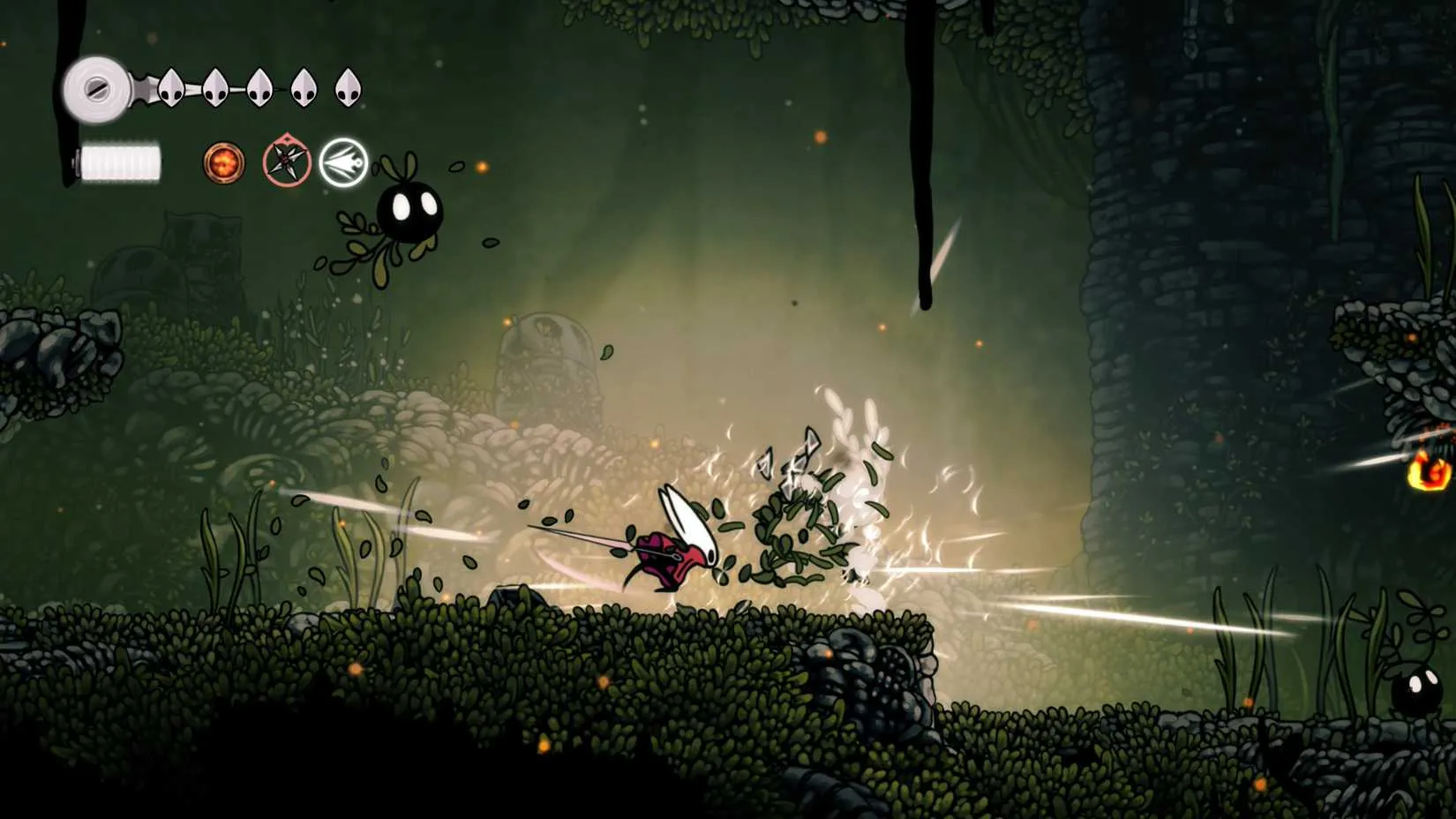
One of the most controversial changes in Hollow Knight: Silksong is enemy damage. Foes hit harder than they did in the original, and while most enemies deal one mask of damage, some strike for two. With only five hit points at the start, players can die much faster than expected. Exploring becomes more punishing, and the runback to a boss fight can feel extremely taxing. Bosses hitting hard makes sense, but even most bosses in Hollow Knight did not often strike for as much damage. A modest decrease to enemy-based damage would give players more room to learn patterns and enjoy the journey.
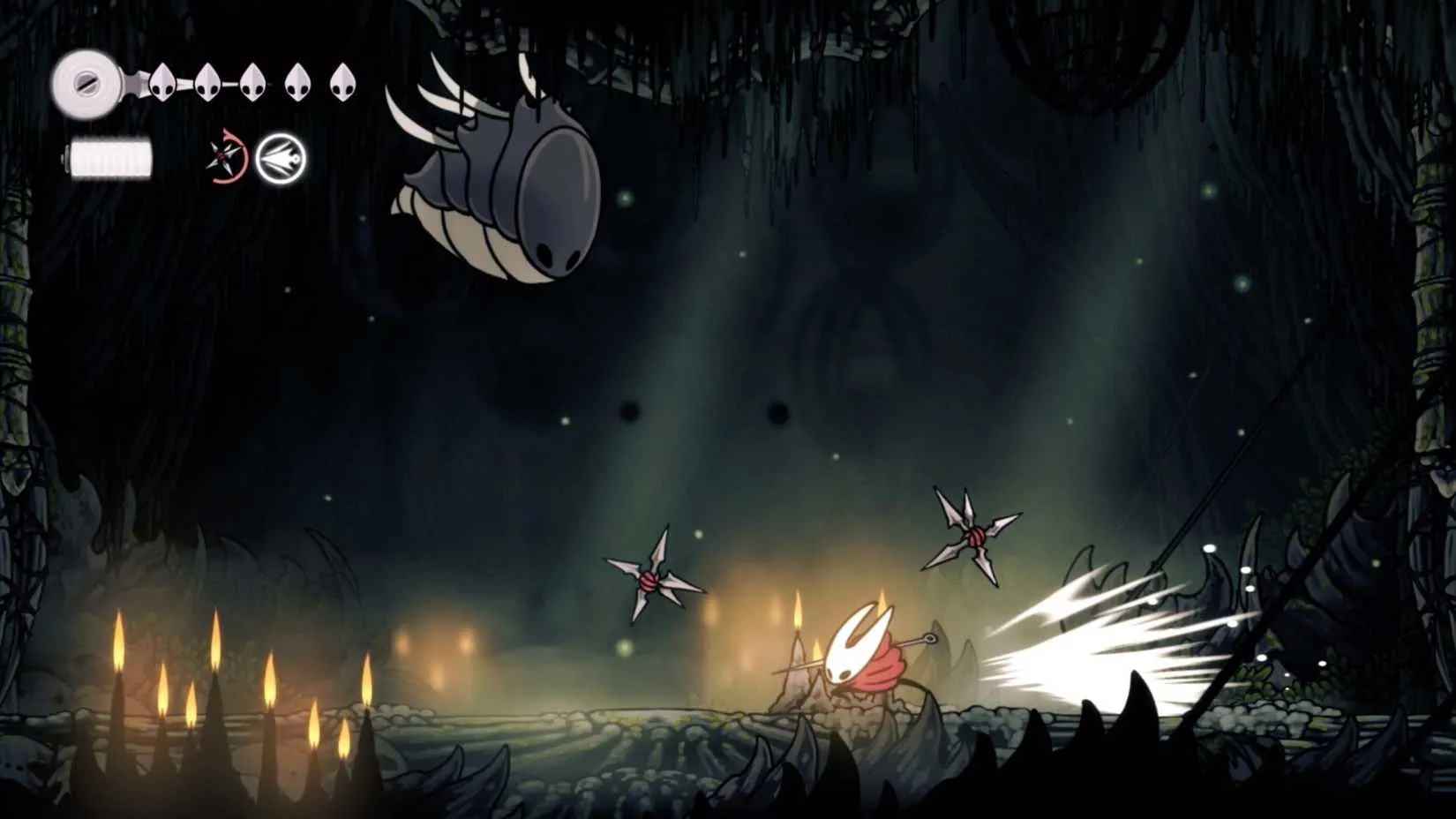
A Health Bar for the Bad Guys
Another health-based issue concerns enemy durability. Some players think enemies absorb too much damage, but the bigger complaint is the lack of information. A visible enemy health bar would let players gauge how much damage they are doing, much like the game already does with many Tools. That feedback matters in a fight. Players could decide whether to press the attack for one more hit or retreat to safety. Even tough-as-nails games like Dark Souls give players the courtesy of an enemy health bar, so adding one in Hollow Knight: Silksong would be grand.

Toggleable Traversal Abilities
Like any good Metroidvania, Hollow Knight: Silksong gives players a generous set of traversal abilities. That may sound like an odd place to ask for changes, but not everyone wants every ability active all the time. A menu option to turn certain abilities on and off would let players customize their experience. Gliding with the Drifter's Cloak is useful, for example, but it can also get in the way. Hornet will not grab ledges while floating, unlike when she performs an air dash. A simple toggle would be a no-brainer for players who like to fine-tune their movement.
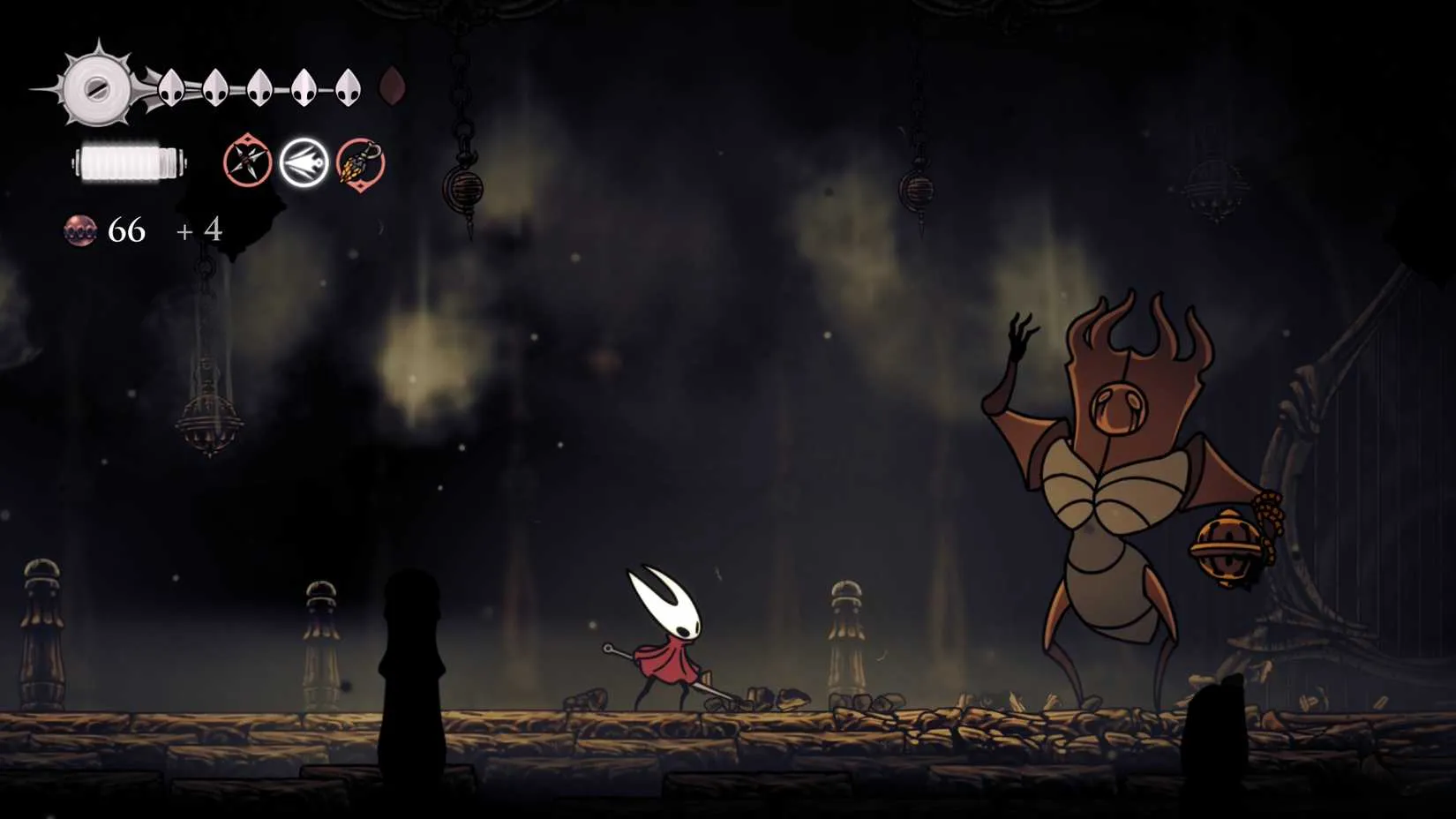
Boss-Room Checkpoints
One of the most challenging aspects of Silksong is not always the boss itself, but the way back to it. Benches are often several screens away from a boss fight, and the path can be riddled with traps, enemies, or both. The Last Judge is a prime example, with a brutal trek from the closest bench. Temporary checkpoints would alleviate that stress. Players could opt in to restarting from a checkpoint directly inside the boss arena, under the condition that they cannot escape until they refuse to restart. It is a small compromise that would respect both the game's difficulty and the player's time.
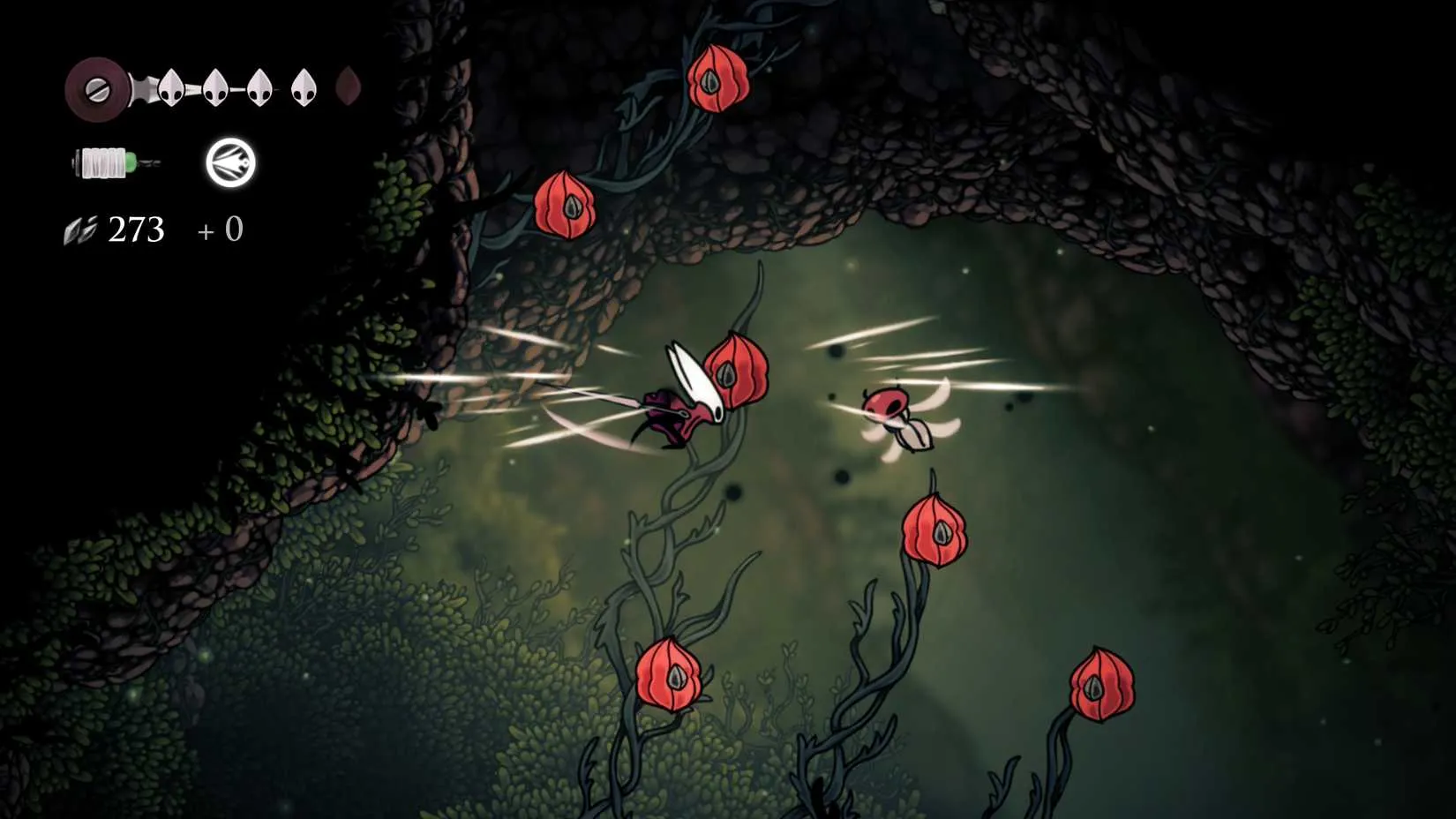
Dash That Phases Through Foes
Soulslike games can be hard as nails, but most give players some sort of dodge with a window of invulnerability. Players can jump to dodge attacks in Hollow Knight: Silksong, or use the Swift Step traversal ability to dash past enemies overhead. However, they cannot use the dash to pass through enemies. That upgrade would open up combat a bit more and give players another tool for escaping tight spots. It could make some bosses easier, but it is still a great fix to wish for in a patch.
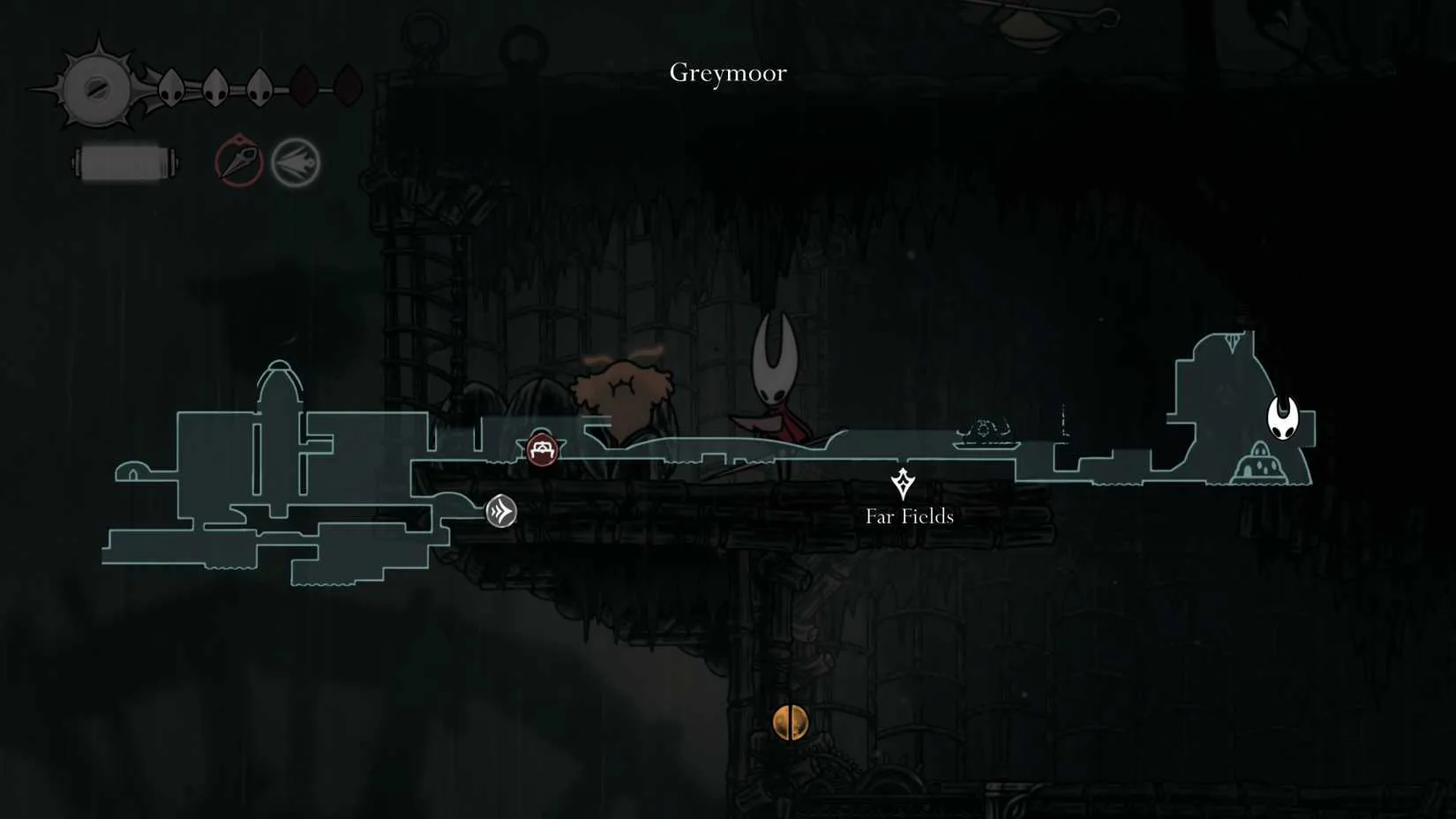
Map Zoom That Actually Zooms
There are two ways to view the map in Hollow Knight: Silksong. Players can tap the L button on the Switch 2 controller, or the Left Bumper on PS5 and Xbox controllers, to bring up the current area map. They can also go into the options, select the entire map, and then zoom in on individual areas. However, there is no way to completely zoom in for a finer look at rooms that are hard to see on any screen without pressing one's eyeball up to the glass. An added zoom function is a small request, but it would help exploration in a big way.
Issue
Why It Matters
Patch Wish
Save files
Glitches can ruin a run
Copy and manual saves
Shell Shards
Artificial cap feels inconsistent
Infinite carrying capacity
Enemy damage
Early deaths feel harsh
Slightly lower enemy damage
Enemy health
Players lack feedback
Visible health bars
Traversal
Abilities can interfere
Toggle options
Boss runbacks
Long treks sap momentum
Optional arena checkpoints
Dash
Cannot phase through foes
Upgrade for invulnerable dash
Map
Rooms are hard to inspect
Full zoom function
Team Cherry has an ace in the hole here: none of these changes would gut the game's challenge. They are the kind of fixes that shift the conversation from frustration to appreciation. Hollow Knight: Silksong is already a critical darling and a commercial success, but a few smart patches could make it a dead ringer for the definitive Metroidvania experience. In 2026, with players still swapping stories and debating difficulty, that is an opportunity worth taking.
While patch notes are still a waiting game, there’s no reason your backlog has to sit idle. If Silksong’s difficulty has you craving a palate cleanser—or you’re simply in the mood to explore more Metroidvanias and Soulslike-adjacent titles—it helps to know where to buy cheap games without paying full price for every experiment.
That’s where DealNest comes in: it’s a straightforward spot to check for budget-friendly game deals, so you can stock up on backups for the moments when a tough boss or a long runback makes you want to switch gears. Whether you’re hunting for a new challenge or just padding out your library between updates, where to buy cheap games is a useful resource to keep bookmarked.
|
|
|
|
| 2048 Cupcakes vs Classic 2048: Which Puzzle Game Is Better? |
|
Posted by: sambillings - 10-21-2026, 11:18 AM - Forum: My Forum
- No Replies
|
|
Puzzle games are a great way to spend free time while developing concentration, logical thinking, and problem-solving skills. Some games rely on complicated rules and advanced controls, while others become popular because they are simple to learn but difficult to master. The 2048 puzzle is a perfect example of the second category.
Over time, different versions of the original game have introduced new visual styles and creative themes. One popular variation replaces traditional numbered tiles with colorful cupcake designs. This creates an interesting comparison between 2048 Cupcakes vs Classic 2048, as both versions share a similar foundation but offer different visual experiences.
Choosing between these games depends on personal preferences, playing habits, and the type of challenge someone enjoys. In this discussion, we will explore their gameplay, appearance, strategies, difficulty, and major differences to help players understand what makes each version appealing.
What Makes Classic 2048 Special?
Classic 2048 is a number-based puzzle game that uses a grid of tiles. Players move the tiles in four directions, combining matching numbers to create larger values. Two tiles marked 2 combine to form 4, two tiles marked 4 create 8, and the process continues as the player works toward higher numbers.
The main objective is to create a tile with a value of 2048. However, players can continue beyond that milestone if they want to achieve a higher score or challenge themselves further.
The rules are straightforward, but the strategy can become increasingly complicated as the board fills up. Every movement changes the position of multiple tiles, and a single mistake can make future combinations more difficult.
Classic 2048 appeals to people who enjoy numerical challenges and logical planning. Because the interface is usually simple, players can focus on the board instead of spending time learning complicated controls.
Exploring the Cupcake Version
2048 Cupcakes introduces a different visual approach to the same general puzzle concept. Instead of displaying only numerical values, the game uses cupcake images to represent the stages of progression.
Players combine matching cupcake tiles to advance through a sequence of increasingly elaborate designs. The changing appearance provides a visual indication of progress and gives the game a distinctive personality.
This presentation can make the experience more attractive to people who enjoy colorful graphics and themed puzzles. Rather than concentrating exclusively on numbers, players can recognize combinations through familiar visual patterns.
However, the cupcake theme does not eliminate the need for strategy. Players must still manage limited board space, identify useful combinations, and avoid movements that leave them with fewer options.
The specific appearance, tile sequence, and additional features can vary depending on the version being played.
Comparing the Gameplay Experience
The biggest similarity between the two games is their reliance on merging matching tiles. Players need to think carefully about each directional movement because the arrangement of the board determines which combinations are possible.
In Classic 2048, numerical values make it easy to calculate the result of a merge. Players can immediately see how two tiles contribute to a larger value.
In the cupcake version, the player follows a visual sequence. Learning the order of the cupcake designs can help identify which tiles should be combined next.
Both approaches reward careful observation and planning. The difference is primarily how information is presented rather than the fundamental thinking required to play effectively.
For someone who enjoys calculating tile values, the original version may feel more natural. Someone who prefers visual patterns may find the cupcake edition more appealing.
Graphics and Overall Design
Visual presentation plays an important role in how players experience a puzzle game.
Classic 2048 generally uses a clean layout with numbered tiles, simple colors, and minimal distractions. This design helps players recognize values quickly and concentrate on making decisions.
2048 Cupcakes uses a more decorative style. The different cupcake images provide variety, and the progression through the designs makes each successful combination visually satisfying.
Neither approach is universally better. Some players prefer the efficiency of a minimal interface, while others enjoy the personality and color offered by a themed version.
The choice ultimately depends on whether visual simplicity or creative presentation makes the game more enjoyable.
Which Game Is More Difficult?
Difficulty depends on experience, planning ability, and the current arrangement of the board.
Classic 2048 may be easier for players who are comfortable working with numbers. They can quickly compare tile values and identify potential combinations without interpreting additional visual information.
The cupcake version may require a short adjustment period for beginners who are unfamiliar with its tile progression. Once they recognize the sequence, however, they can use many of the same strategies that work in the original game.
In both versions, the challenge increases when the board becomes crowded. Fewer empty spaces mean fewer opportunities to move tiles into useful positions.
The most important factor is not the theme but the player's ability to organize the board and anticipate the consequences of each move.
Effective Strategies for Better Results
Although the visual designs differ, several techniques can help improve performance in both games.
Keep the Largest Tile in One Corner
Choose a corner and try to keep your highest-value tile there. This provides a stable reference point and helps organize the remaining tiles around it.
Moving the largest tile unnecessarily can disrupt your arrangement, so consider each direction carefully before making a move.
Organize Tiles by Value or Progression
Try to arrange tiles in a logical sequence, with larger tiles positioned near one another and smaller tiles placed where they can eventually combine.
A consistent arrangement reduces unnecessary movement and makes future combinations easier to recognize.
Preserve Empty Spaces
Empty cells provide room for movement and help prevent the board from becoming overcrowded.
Avoid making moves that fill available spaces without creating a useful combination. Keeping several options open can be more valuable than producing one immediate merge.
Think Beyond the Next Move
A successful combination may look helpful initially but can create problems afterward. Before moving, consider how the resulting arrangement will affect the next two or three decisions.
Planning ahead is particularly important when the board contains several large tiles that are difficult to reposition.
Learn From Mistakes
When a game ends, review the decisions that caused the board to become difficult to manage. You may discover that a different direction or a more organized tile arrangement could have created additional opportunities.
Repeated practice helps players recognize patterns and make better decisions under pressure.
Which Version Is Better for Casual Players?
Both versions can suit casual players because their basic controls are relatively simple.
Classic 2048 is a good option for people who want a direct numerical challenge without additional visual elements. It is easy to understand and provides a clear way to measure progress.
The cupcake version may appeal to players who prefer colorful graphics and a more playful atmosphere. Its visual progression can make repeated attempts feel more engaging.
Neither version requires players to master complicated controls before getting started. Beginners can learn the basics quickly and gradually develop more advanced strategies.
Trying both versions is a practical way to discover which presentation best matches your preferences.
Can Playing Both Versions Improve Your Skills?
Playing both games can help you become more familiar with tile-management strategies and pattern recognition.
Switching between numerical and visual representations encourages you to pay attention to relationships between tiles rather than relying on a single presentation style.
You may also discover different ways to organize the board or recognize potential combinations. These observations can be useful when returning to either version.
Although practice can improve your familiarity with the game, results still depend on the decisions you make and the tile arrangements that appear during play.
The main benefit is the opportunity to enjoy a familiar puzzle through two different visual approaches.
Final Verdict
The comparison of 2048 Cupcakes vs Classic 2048 highlights how different designs can create distinct experiences around a similar puzzle concept.
Classic 2048 is ideal for players who appreciate numbers, minimal graphics, and straightforward strategic challenges. The cupcake version provides a colorful alternative for those who enjoy themed visuals and recognizable progression through different designs.
Both games require patience, planning, and careful management of available space. Neither guarantees success simply because its interface looks simpler or more attractive.
If you prefer a clean numerical puzzle, start with Classic 2048. If you enjoy dessert-themed graphics, give 2048 Cupcakes a try. You can also play both to compare their strengths and discover which one keeps you interested for longer.
Ultimately, the better game is the one you enjoy playing while continuing to challenge yourself, recognize patterns, and develop more effective strategies.
|
|
|
|
| Finding Your Footing in Nursing School: What Professional Support Really Means for BS |
|
Posted by: carlo10 - 10-21-2026, 09:56 AM - Forum: My Forum
- Replies (1)
|
|
Finding Your Footing in Nursing School: What Professional Support Really Means for BSN Students
Anyone who has spent a semester in a Bachelor of Science in Nursing program knows BSN Writing Services that the hardest part is rarely one single thing. It is the way everything arrives at once. A student might spend twelve hours on a clinical floor, come home exhausted, and still face a care plan due at midnight, a pharmacology exam on Friday, and a reflective journal that has to be written in a polished academic voice. Nursing education asks people to become skilled clinicians and competent scholars at the same time, and the writing side of that equation often catches students off guard. This is the space in which BSN writing services have grown, and understanding what they actually are, what they can responsibly offer, and where their limits lie can help any student make a wiser decision about whether to use one.
Most people who enter nursing do so because they want to care for patients. They picture bedside work, steady hands, and the satisfaction of helping someone through a frightening day. Few picture themselves formatting references in APA style or wrestling with the difference between a literature review and an annotated bibliography. Yet the BSN curriculum is built on the idea that modern nursing is evidence-based, and evidence-based practice means reading research, evaluating it, and communicating conclusions clearly. A nurse who cannot interpret a study or articulate a rationale in writing is at a disadvantage when advocating for patients or proposing changes in a unit. So the writing assignments are not busywork, even when they feel that way at two in the morning. They are training for a profession in which documentation, critical appraisal, and persuasive communication are daily realities.
The trouble is that many nursing students come to the program with very different writing backgrounds. Some arrive straight from high school with strong essay skills but little experience with scholarly sources. Others are career changers returning to school after a decade in another field, confident in their professional judgment but rusty on academic conventions. A large number are working adults, parents, or caregivers who are completing the degree while managing jobs and households. Many are also writing in a second or third language, which adds a layer of difficulty that has nothing to do with their intelligence or clinical aptitude. For all of these students, the volume and variety of written work can feel overwhelming, and that is the gap professional writing support tries to fill.
A BSN writing service, in the broadest sense, is a company or independent professional that provides help with the written requirements of nursing coursework. The range of what they offer is wide. Some provide proofreading and editing, taking a draft the student has written and polishing grammar, clarity, and structure. Some offer coaching, where a writer or former nursing instructor walks the student through how to build an argument, find credible sources, or organize a capstone project. Some supply sample papers meant to be studied as models. Others, and this is where the conversation gets complicated, offer to write assignments from scratch for the student to submit. These categories are very different in their ethics and in their consequences, and a student who lumps them all together is likely to make a poor choice.
The most defensible and most useful forms of support are the ones that leave the student more capable than before. Editing is the clearest example. When a student writes a care plan reflection and then asks an experienced editor to tighten the prose, catch inconsistent verb tenses, and flag unclear sentences, the ideas and the clinical reasoning remain the student’s own. The editor acts the way a good colleague or a campus writing center tutor would. Students who are writing in English as an additional language often benefit enormously here, because the editor can show them patterns in their errors so that future drafts improve. The same is true of formatting help. APA style is exacting, and there is nothing intellectually dishonest about getting guidance on how to cite a journal article with a DOI or how to structure a title page correctly.
Coaching and tutoring go a step further and can be even more valuable. A nursing nursing paper writing service student struggling with a PICOT question, the structured format used to frame clinical research questions, might not need anyone to write the paper. What they need is someone to explain what each letter stands for, show how a well-built question narrows a search, and talk through how to evaluate the strength of the studies that come back. Tutors who have worked in clinical settings can also connect the assignment to real practice, which helps students see the point of it. A reflective essay on a difficult clinical encounter, for instance, becomes easier when someone helps the student draw out what they noticed, what they felt, and what they would do differently. The writing then flows from genuine thinking rather than from guesswork about what the instructor wants.
Model papers occupy a middle ground. Reading a strong sample can teach a student how an introduction frames a problem, how a thesis is supported, and how a conclusion ties the evidence together. Used as a learning tool, a sample works much like a worked example in a math textbook. Used as a template to be lightly rephrased and submitted, it crosses into territory that most universities treat as academic misconduct. The difference lies entirely in how the student uses it, which is why reputable providers are careful about how they describe and deliver these materials.
That brings us to the uncomfortable center of the topic. Some services market themselves as ghostwriters, promising custom nursing essays, discussion posts, and even full capstone papers that the student can hand in under their own name. The appeal is understandable. A student who is drowning under clinical hours and family obligations may see this as a lifeline. But it is worth being direct about the risks. Nearly every nursing program has an academic integrity policy, and submitting work written by someone else typically violates it. The penalties can include a failing grade, suspension, or dismissal from the program. In nursing, the stakes go beyond the classroom, because state boards of nursing can ask about disciplinary history, and a record of academic dishonesty may complicate licensure. Plagiarism detection software has also become sophisticated enough to flag recycled or previously submitted text, and instructors are often quite good at noticing when a paper does not sound like the student who sits in their class.
There is a deeper problem as well, and it has to do with the nature of the profession. Nursing is built on trust. Patients trust nurses with their bodies and their vulnerabilities, and employers trust them to practice within the limits of their competence. A degree is supposed to certify that the holder has genuinely learned the material. When a student outsources the learning, the credential becomes hollow, and the person left holding it may find, on a real hospital floor, that the knowledge they needed was never acquired. The assignments that students are tempted to outsource, such as the evidence appraisal, the care plan, and the ethical analysis, are precisely the exercises designed to build the judgment they will rely on later. Skipping them does not remove the need for that judgment. It only postpones the moment when its absence becomes visible.
None of this means that students seeking help are doing something wrong. On the nurs fpx 4000 assessment 1 contrary, seeking support is often a sign of good sense. The question is how to find help that strengthens rather than replaces your own effort. A good starting point is to look at what your own institution already offers. Most colleges have a writing center staffed by trained tutors, and many nursing programs have dedicated academic success advisors or faculty who hold office hours for exactly this purpose. These resources are usually free, they are aligned with your program’s expectations, and they carry no integrity risk. Students often overlook them because they assume outside services must be more powerful, but a thirty-minute session with a tutor who knows your instructor’s rubric can be remarkably effective.
When a student does decide to look beyond campus, it helps to evaluate a service carefully. Transparency is one of the best signals of quality. A trustworthy provider is clear about what it will and will not do, openly discusses academic integrity, and frames its work as support, such as editing, feedback, tutoring, and study materials. Be cautious about any company that guarantees a particular grade, promises that its work is undetectable, or pressures you to decide quickly. Look at the credentials of the people involved. In a field as specialized as nursing, it matters whether the editors and tutors have actual healthcare backgrounds, because they will understand terminology, clinical reasoning, and the conventions of nursing scholarship in a way a generalist might not. Reviews can be informative, though they should be read with some skepticism, since testimonials on a company’s own website are naturally selective.
Pricing deserves attention too, and it varies widely. Editing is typically charged by word count or page, tutoring by the hour, and any more extensive service at a premium that can quickly exceed what a student budget allows. Extremely low prices are a warning sign, since they often indicate rushed work, recycled content, or writers with little real expertise. It is also sensible to ask about confidentiality, because you may be sharing drafts that contain reflections on patient encounters. Any clinical details in your writing should already be de-identified in line with privacy standards, but a reputable service will still handle your materials discreetly and explain how it stores them.
Another consideration is how the help fits into the larger arc of your education. A BSN program is typically structured so that writing demands grow more sophisticated over time. Early courses may ask for short reflections and basic research summaries. Later courses introduce policy analysis, quality improvement proposals, community health assessments, and the capstone or evidence-based practice project that many programs require. Students who build their skills steadily in the early semesters are better prepared for these larger tasks. This is one reason that using writing support as a way to learn, rather than a way to avoid, tends to pay off. A student who works with an editor through a first semester of papers will often find that the need for heavy revision shrinks as their own habits improve. The goal, in the best case, is to become gradually less dependent on outside help.
It is also worth acknowledging the emotional side of this. Nursing students carry a nurs fpx 4005 assessment 1 great deal of stress, and academic writing can trigger a particular kind of anxiety, especially for people who have been told in the past that they are not good writers. That belief can become self-fulfilling. A student who feels certain they cannot write may delay starting, rush at the last minute, and then produce work that confirms the fear. Skilled support can interrupt that cycle. A patient tutor who breaks a daunting assignment into manageable steps, or an editor who points out what is working in a draft as well as what needs repair, can restore confidence in a way that matters beyond any single grade. Many students discover that they have good ideas and sound clinical instincts, and that what they lacked was a clear method for putting them on the page.
For students who are already practicing nurses returning to complete an RN-to-BSN degree, the picture is slightly different. These learners often have years of hands-on experience and deep practical knowledge, but they may not have written an academic paper in a long time. Their challenge is frequently one of translation, learning to express what they already know in the language of scholarship. Writing support for this group can be especially rewarding, since the raw material is already rich. A nurse who has spent fifteen years in critical care has stories, observations, and insights that would make a compelling reflective paper, and a good coach helps shape that experience into a structured argument supported by current research. The process often reminds experienced nurses that their expertise is valuable and that scholarship is simply another way of sharing it.
Technology is also changing the landscape. Grammar checkers, reference managers, and AI writing tools are now widely available, and many students use them alongside or instead of human services. These tools can be genuinely helpful for catching errors, organizing citations, and brainstorming. They also raise their own integrity questions, because policies on AI-generated text differ from one institution to the next, and some instructors prohibit it entirely. The safest approach is to read your program’s policy carefully, ask your instructor when it is unclear, and be honest about what kind of assistance you have used when disclosure is expected. The same principle that applies to human services applies here: support that helps you think and revise is generally acceptable, while support that does the thinking for you is not.
Faculty perspectives are worth considering as well. Many nursing instructors are sympathetic to the pressures students face and would much rather see a student seek help early than struggle in silence or resort to shortcuts. If you are unsure whether a particular type of assistance is allowed, asking is almost always the right move. Instructors can clarify expectations, recommend resources, and sometimes grant extensions when a student communicates honestly about difficulty. Students who build a reputation for engaging with feedback and taking their learning seriously often find that faculty become allies rather than gatekeepers. That relationship can be as valuable as any external service, and it costs nothing.
It may help to picture what a healthy use of writing support looks like in practice. Imagine a student named Amina, who works part time as a nursing assistant while pursuing her BSN. She has a major paper due on fall prevention in older adults. She begins by meeting with a campus librarian to learn how to search nursing databases, then drafts her own outline and first version. Because English is her second language, she sends the draft to a professional editor with a nursing background, who returns it with comments explaining recurring grammar patterns and suggesting where her argument could be clearer. Amina revises, studies the feedback, and submits a paper that reflects her own research and reasoning, only better expressed. She finishes the assignment having learned something about the topic, about writing, and about herself. That is the model to aim for, and it is a long way from handing over a prompt and receiving a finished essay.
Contrast that with the student who, panicked by a deadline, pays a stranger to nurs fpx 4035 assessment 1 produce an entire paper. Even if it goes undetected this time, the student has gained nothing, will face the same kind of assignment again, and now carries both the risk of discovery and the memory of having avoided the work. The pressure that drove the decision has not gone away; it has simply been deferred and compounded. Over the length of a program, a habit like that can erode a student’s confidence and competence at exactly the moment when the coursework is becoming more clinically demanding. The better path, though it takes more effort in the short term, is almost always the one that builds ability.
There is a broader point here about what it means to enter the nursing profession. Nurses are expected to know their limits and to ask for help when they need it. On a hospital unit, a nurse who is unsure about a medication dose checks with a pharmacist, and one who is overwhelmed asks a colleague for backup. Seeking support is not a weakness in clinical practice; it is part of safe, professional behavior. The same attitude can serve students well in their academic lives. The skill lies in asking for the right kind of help, from the right sources, in a way that preserves the integrity of their own learning. A student who masters that skill is practicing a professional habit that will serve them long after graduation.
In the end, BSN writing services are neither villains nor saviors. They are tools whose value depends on how they are chosen and used. Editing, coaching, tutoring, and thoughtfully presented study materials can ease a heavy burden, level the playing field for students with different backgrounds, and help people communicate their knowledge with greater confidence. Services that promise to do the work for you offer a tempting shortcut but carry real risks to your education, your record, and your future patients. Before turning to any outside provider, check what your school already offers, read your academic integrity policy, and ask yourself whether the help will leave you stronger or merely absolve you of the task. Nursing school is demanding by design, because the profession is demanding. The students who emerge best prepared are those who use every legitimate resource available, learn from each assignment, and treat the writing not as an obstacle to the degree but as part of becoming the thoughtful, articulate, evidence-minded nurse that patients deserve.
|
|
|
|
| The Art of the Impossible: Navigating the Rhythmic Labyrinth of Geometry Dash Lite |
|
Posted by: Anthonyaminski - 10-21-2026, 09:01 AM - Forum: My Forum
- Replies (1)
|
|
In the vast and ever-expanding universe of mobile gaming, some titles stand out not for their sprawling narratives or hyper-realistic graphics, but for their sheer, unadulterated challenge. Among these, geometry dash lite shines as a beacon of rhythmic precision, a seemingly simple game that quickly evolves into a test of reflexes, memory, and an almost zen-like focus. If you’ve ever seen a friend frantically tapping their screen with a look of intense concentration, chances are they were deep in the throes of a Geometry Dash level. This isn't just a game; it's an experience, a dance between your fingers and the pulsating beat of the music.
Welcome to the Labyrinth: What is Geometry Dash Lite?
At its core, Geometry Dash Lite is a rhythm-based platformer. You control a small, geometric icon – typically a square, but unlockable shapes abound – as it automatically moves from left to right across a treacherous landscape. Your sole interaction is to tap the screen (or click your mouse if you're playing on PC) to make your icon jump. Sounds easy, right? Not so fast. The levels are a relentless gauntlet of spikes, sawblades, moving platforms, and gravity-defying portals, all perfectly synchronized to an often-upbeat and highly addictive electronic soundtrack. The “Lite” version offers a taste of the full game, providing a selection of official levels to hone your skills before diving into the community-created madness of the paid version. For those looking to experience the game on a larger screen, you can find more information about playing Geometry Dash Lite on PC.
The Rhythmic Gauntlet: Understanding the Gameplay
The beauty of Geometry Dash Lite lies in its deceptive simplicity. There are no complex button combinations or intricate skill trees. It’s all about timing. Each level is a meticulously crafted sequence of obstacles, and every jump, every hold, every release must be executed with pinpoint accuracy. - The Basics of Movement: Your icon constantly moves forward. A single tap makes it jump. Holding down your finger (or mouse button) makes it jump higher and longer, a crucial mechanic for clearing larger gaps or reaching higher platforms.
- Gravity Portals: These are game-changers. Hitting a blue portal flips your gravity, sending you to the ceiling. Hitting a yellow portal flips it back. Mastering these transitions is key to navigating complex sections.
- Vehicle Transformations: As you progress, your icon will transform into different vehicles, each with unique control schemes:
- Ship: Holding down makes you fly upwards, releasing makes you fall. It’s a delicate balance of taps and holds to navigate narrow tunnels.
- Ball: Tapping flips your gravity. This requires quick reflexes and anticipating the next flip.
- UFO: Each tap makes you jump a short distance, allowing for controlled, stair-like ascents.
- Wave: Holding down makes you fly diagonally upwards, releasing makes you fly diagonally downwards. This is one of the trickiest vehicles to master.
- The Power of Repetition: This is where the “experience” part truly comes in. You will die. A lot. Expect to fail countless times on each level. But each death isn’t a failure; it’s a lesson. You learn the rhythm, the precise timing of each jump, the optimal flight path for your ship. The game is designed around this iterative learning process.
Mastering the Beat: Essential Tips for Beginners
Jumping into Geometry Dash Lite can feel overwhelming, but with a few pointers, you can transform frustration into triumphant satisfaction.
- Start Slow and Practice: Don't be ashamed to spend time on the easier levels. They are designed to teach you the fundamental mechanics and rhythms. The "Practice Mode" is your best friend. It allows you to place checkpoints, letting you focus on troublesome sections without having to restart the entire level.
- Listen to the Music: The music isn't just background noise; it's your guide. Every jump, every obstacle, every portal activation is synchronized with the beat. Internalize the rhythm, and the game becomes less about frantic tapping and more about a fluid dance.
- Learn the Level Layout: Muscle memory is powerful, but understanding the upcoming obstacles is even more so. Take mental notes of difficult sections. Where are the hidden spikes? When does gravity flip? Visualizing the path ahead will significantly improve your success rate.
- Don't Spam: Resist the urge to tap wildly. Every tap has a consequence. Precise, deliberate taps are far more effective than a flurry of uncontrolled presses.
- Take Breaks: When frustration sets in, step away. A fresh perspective can work wonders. Come back with a clear mind, and you might find yourself clearing that previously impossible section with ease.
- Patience is a Virtue: Geometry Dash Lite is a marathon, not a sprint. Celebrate small victories – getting past a tricky part, making it further than before. The sense of accomplishment when you finally conquer a challenging level is immensely rewarding.
The Unending Rhythm: A Concluding Note
Geometry Dash Lite might seem like a simple mobile game, but it offers a surprisingly deep and addictive experience. It’s a testament to the power of well-designed mechanics, engaging music, and a relentless yet fair challenge. It teaches patience, precision, and the joy of overcoming seemingly insurmountable obstacles. So, if you’re looking for a game that will test your reflexes, sharpen your focus, and reward your perseverance, dive into the rhythmic labyrinth. You might just find yourself addicted to the art of the impossible.
|
|
|
|
| How Do You Upgrade a Cunard Room to a Suite? |
|
Posted by: cruisesfares - 10-21-2026, 07:27 AM - Forum: My Forum
- No Replies
|
|
Looking to upgrade your Cunard room to a suite for a more luxurious cruise experience? Depending on your eligibility and the available options, you may be able to submit an offer for a higher accommodation category, including selected suites. Compare the amenities, dining privileges, stateroom features, and additional costs before deciding. An upgrade offer is subject to acceptance, and the specific suite or stateroom location may differ from your expectations. For cruise booking assistance, call +1-888-653-0010.
|
|
|
|
| The Art of the Perfect Pie: A Deep Dive into Papa's Pizzeria |
|
Posted by: Jamesuth - 10-21-2026, 06:48 AM - Forum: My Forum
- No Replies
|
|
In the vast landscape of online gaming, where intricate narratives and hyper-realistic graphics often dominate, there exists a charming corner dedicated to the simple, yet surprisingly addictive, world of time management. Among these digital havens, one game stands out as a true classic, a nostalgic touchstone for many: papa's pizzeria. While seemingly straightforward, mastering the art of pizza-making in this beloved Flash game (and its modern mobile iterations) offers a surprisingly deep and rewarding experience. If you’ve ever wondered about the secret sauce to becoming a top-tier pizza chef in this virtual kitchen, or simply want to relive some classic gaming memories, read on.
Welcome to the Oven: An Introduction to Papa's Pizzeria
For those unfamiliar, Papa's Pizzeria plunges you headfirst into the bustling world of pizza production. You’re not just a passive observer; you’re the sole employee, entrusted with every step of the pizza-making process, from taking orders to slinging pies. Initially, you’ll find yourself serving a handful of patient customers, but as days turn into weeks, the pace quickens, the customer base expands, and the demands grow. It’s a delightful blend of multitasking, precision, and quick thinking, all wrapped up in a vibrant, cartoonish aesthetic. The beauty of Papa's Pizzeria lies in its accessibility – anyone can pick it up and understand the basics – but its depth truly shines for those who strive for perfection.
From Order to Oven: Understanding the Gameplay Loop
The core gameplay of Papa's Pizzeria is segmented into distinct stations, each requiring your focused attention. Let’s break it down: - Order Station: This is where it all begins. Customers will approach the counter with their unique pizza requests. Pay close attention to their desired toppings, cheese amount, and even the cooking time. The key here is accuracy – misremembering an order can lead to a dissatisfied customer and a hit to your tip jar. Jotting down notes or mentally compartmentalizing orders becomes crucial as the customer queue grows.
- Topping Station: Once you have the order, it’s time to move to the topping station. Here, you'll precisely distribute the requested ingredients. This isn't just about throwing things on; there's a specific art to even distribution. Each topping has a designated number of placements, and trying to eyeball it will often lead to uneven pizzas. Aim for symmetry! This station is where your spatial awareness and ability to count (quickly!) truly come into play.
- Bake Station: The heart of any pizzeria! At the bake station, you’ll carefully place your topped pizza into the oven. The crucial element here is timing. Each pizza has an optimal cooking time, indicated by a green bar that fills as it bakes. Overcook it, and it's burnt; undercook it, and it's doughy. Both scenarios result in lower scores. You’ll need to juggle multiple pizzas in the oven, ensuring each one reaches perfection before being whisked away.
- Cut Station: The final frontier. Once out of the oven, the pizza needs to be cut into the correct number of slices and, more importantly, evenly. A wonky cut can be just as detrimental to customer satisfaction as a burnt crust. The game provides visual guides, but mastering the swift and accurate slice is a skill in itself.
After all these steps, the customer receives their pizza, surveys your handiwork, and awards you a score based on your performance at each station. Higher scores mean bigger tips, which in turn allow you to upgrade your equipment, making future shifts a little smoother.
Mastering the Kitchen: Tips for Aspiring Pizzaolos
While the process seems straightforward, achieving consistently high scores and navigating the busiest days requires strategy. Here are some tips to help you become a Papa's Pizzeria master:- Prioritize Orders: As the day progresses, you’ll have multiple customers waiting. Learn to prioritize. Some customers are more patient than others. Identify those who are nearing their patience limit and serve them first.
- Practice Topping Placement: Don't just haphazardly place toppings. Learn the optimal placement for each ingredient. For example, pepperoni often requires even spacing, while mushrooms might be more clustered. The more precise you are, the higher your topping score.
- Master the Oven Timer: This is arguably the most critical station. Develop an internal clock or use visual cues to gauge baking times. Don't be afraid to pull pizzas out a little early if you see them getting too dark, as slightly undercooked is often better than completely burnt.
- Upgrade Wisely: As you earn money, invest in upgrades. Faster ovens, topping guides, and better cutting tools can significantly improve your efficiency and accuracy. Prioritize upgrades that address your weakest areas first.
- Learn Customer Preferences: Over time, you'll notice certain customers have specific quirks. Some like their pizza well-done, others prefer extra cheese. Remembering these preferences can earn you bonus points and bigger tips.
- Stay Calm Under Pressure: The game can get hectic, especially during peak hours. Panicking leads to mistakes. Take a deep breath, focus on one task at a time, and trust your muscle memory.
The Enduring Appeal of the Perfect Slice
Papa's Pizzeria, in its charming simplicity, offers a surprisingly engaging and rewarding experience. It’s a game that teaches valuable lessons in time management, precision, and customer service, all while being genuinely fun. Whether you’re a seasoned veteran looking to relive some nostalgic moments or a newcomer curious about the allure of virtual pizza-making, diving into the world of Papa's Pizzeria is a delightful journey. So, fire up the oven, grab your spatula, and get ready to craft some truly perfect pies – your virtual customers are waiting!
|
|
|
|
| What is Praziquantel 600 Mg used for in Humans? |
|
Posted by: james971 - 10-21-2026, 06:17 AM - Forum: My Forum
- No Replies
|
|
Praziquantel 600 Mg is an antiparasitic medication used to treat certain worm infections in humans. It is particularly effective against infections caused by tapeworms and flukes. The medicine works by damaging the parasites' outer covering and disrupting their muscle function, helping the body eliminate them. Treatment depends on the type of infection, the patient's condition, and a healthcare professional's recommendation.
Uses of Praziquantel 600 Mg in Humans
Praziquantel is commonly prescribed for several parasitic infections, including:
- Schistosomiasis: This infection is caused by blood flukes that can affect the intestines, liver, bladder, and other organs. Praziquantel is a primary treatment for schistosomiasis.
- Tapeworm infections: It treats certain intestinal tapeworm infections, helping remove susceptible parasites from the digestive tract.
- Clonorchiasis: This infection is caused by Chinese liver flukes, which may enter the body through contaminated or undercooked freshwater fish.
- Opisthorchiasis: Praziquantel is used to treat infections caused by certain liver flukes that affect the bile ducts.
- Other susceptible fluke infections: Depending on the parasite species, praziquantel may be prescribed for additional trematode infections.
The medicine is not effective against every type of worm. For example, other medications may be needed for roundworms, pinworms, or certain other parasitic infections.
How Does Praziquantel 600 Mg Work?
Praziquantel increases the permeability of susceptible parasites' cell membranes to calcium. This causes rapid muscle contraction and damage to their protective outer surfaces. As a result, the parasites become unable to function normally and are more easily eliminated by the body's immune defenses and natural processes.
The exact response depends on the parasite involved, the prescribed treatment regimen, and the patient's health.
Dosage and Proper Use
Although 600 mg indicates the tablet strength, it does not necessarily represent the complete dose for every infection. The required amount and treatment duration vary according to the parasite, body weight, and medical circumstances. Patients should follow their doctor's instructions and avoid taking extra doses without medical advice.
Praziquantel may cause nausea, abdominal discomfort, headache, dizziness, or tiredness. Patients should inform their healthcare professional about other medicines, existing medical conditions, and pregnancy before starting treatment.
Conclusion
Praziquantel 600 mg is an important antiparasitic medicine used to treat specific tapeworm and fluke infections in humans. Correct diagnosis and professional guidance help ensure appropriate treatment, reduce complications, and support recovery.
|
|
|
|
|


